Whether you are searing a Thanksgiving turkey breast, caramelizing onions for a holiday side dish, or frying latkes for Hanukkah, the skillet you reach for can make or break the meal. The four most common types — cast iron, carbon steel, stainless steel, and nonstick — each have distinct strengths, weaknesses, and care requirements. This guide breaks down what home cooks need to know about each material, the sizes that matter most, oven and induction compatibility, and how to choose the best one for your holiday cooking.
Cast Iron Skillets
Cast iron has been a kitchen workhorse for generations. Its thick, heavy construction retains heat exceptionally well, making it ideal for high-heat searing, pan-frying, and even baking. The seasoned surface, when maintained properly, provides a natural nonstick quality that improves with use.
Cast iron is not without drawbacks. The skillet is heavy and takes time to preheat evenly. It reacts with acidic foods like tomato sauce or wine, which can leach a metallic taste into the dish and damage the seasoning. For holiday cooking, cast iron excels at tasks where consistent, intense heat is needed, such as searing a roast before braising or baking cornbread with a crisp crust.
Seasoning is the key to a cast iron skillet’s performance. A well-seasoned pan develops a dark, slick patina that is naturally nonstick. To maintain it, avoid cooking highly acidic dishes for long periods, dry the pan thoroughly after washing, and apply a thin layer of oil after each use. For detailed guidance on building and maintaining that seasoning, see our guide on how to season and care for cast iron cookware.
Carbon Steel Skillets
Carbon steel is often described as a lightweight cousin to cast iron. It has a similar seasoning requirement but heats up faster and is significantly lighter, making it easier to maneuver. Professional chefs frequently use carbon steel for its quick responsiveness and ability to develop a durable nonstick surface over time.
Carbon steel is excellent for high-heat searing, stir-frying, and tasks that require frequent flipping or tossing. The sloped sides make it easier to slide a spatula under food compared to the straight walls of a cast iron skillet. Like cast iron, carbon steel can react with acidic ingredients, so it is best reserved for foods that are not highly acidic or for dishes where you can deglaze with stock instead of wine.
Seasoning carbon steel requires a similar initial process as cast iron: apply a thin layer of high-smoke-point oil and heat until it polymerizes. After that, regular cooking with oil and fat helps maintain the surface. For those looking for a versatile pan that can go from stovetop to oven, a deeper look at how to choose a frying pan may help you decide between carbon steel and other materials. If you decide carbon steel is right for you, a quality option is a carbon steel skillet.
Stainless Steel Skillets
Stainless steel cookware, especially tri-ply construction with an aluminum or copper core, offers the best of both worlds: the durability of steel with the heat conductivity of a more responsive metal. Tri-ply cladding means the pan heats evenly across the surface, minimizing hot spots. The cooking surface is not nonstick, but it is non-reactive, so you can cook acidic sauces and deglaze with wine or vinegar without worrying about off-flavors.
Stainless steel requires a different technique to prevent sticking. The Leidenfrost effect — a drop of water skating across the pan — indicates the pan is hot enough to sear. Food will release naturally when a good crust forms, so patience is key. For holiday cooking, stainless steel is indispensable for pan sauces and gravies: after searing a roast or chicken, the browned bits (fond) stuck to the pan dissolve beautifully when you add liquid, creating a rich base. Many cooks also prefer stainless for simmering delicate sauces that might react with cast iron or carbon steel.
Stainless steel skillets are typically oven-safe to moderate temperatures, though the handle type matters. All-metal handles can usually take high oven temperatures; silicone- or plastic-wrapped handles limit oven heat exposure. Always check the manufacturer’s instructions. For a durable, even-heating option that handles acidic holiday dishes with ease, consider a stainless skillet.
Nonstick Skillets
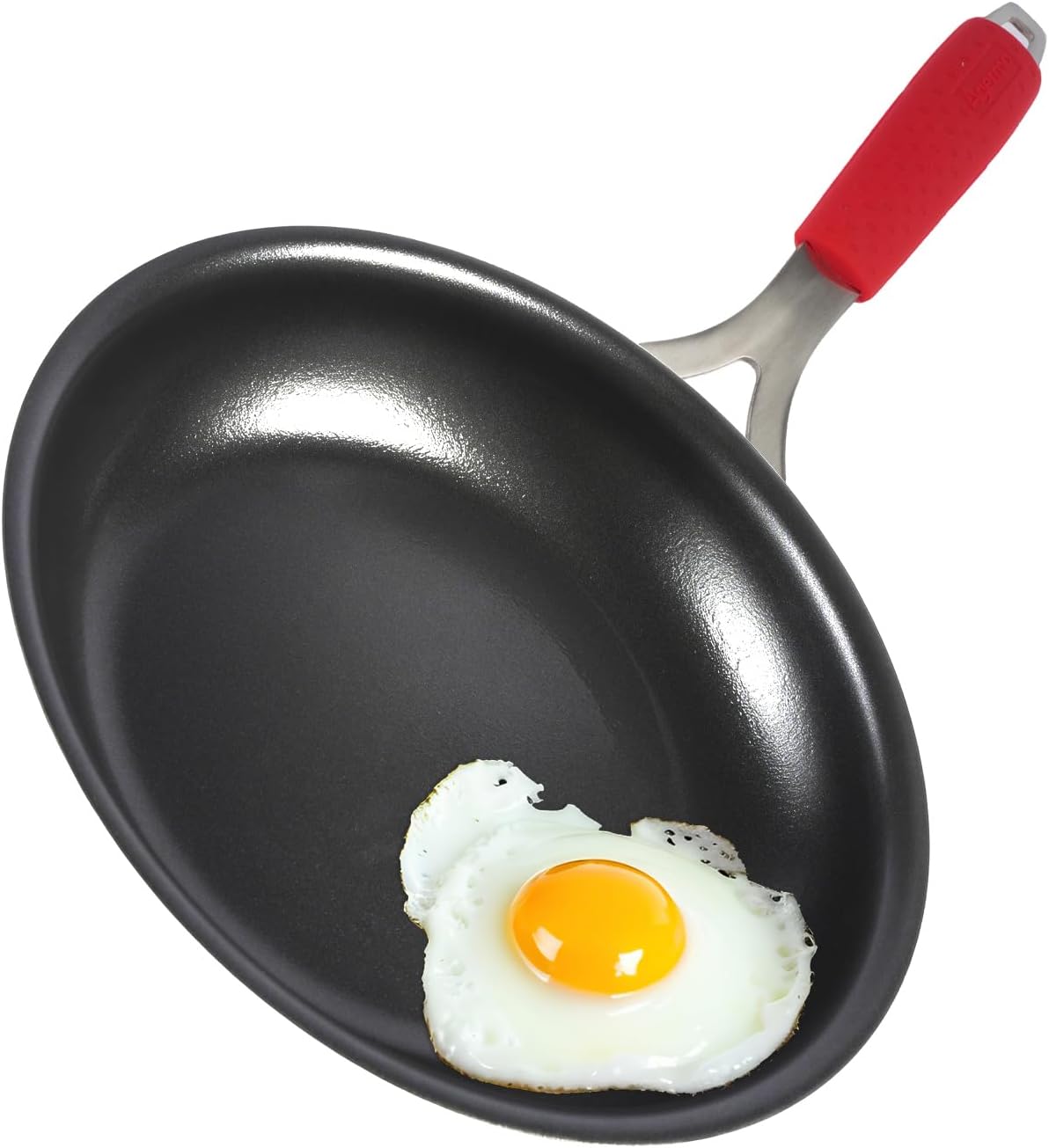
Nonstick skillets, coated with PTFE or a ceramic-based coating, make low-fat cooking and delicate foods like eggs, fish, and pancakes effortless. The coating prevents food from bonding to the surface, requiring less oil and making cleanup simpler. However, nonstick pans have limitations that are important to respect.
Heat management is critical for nonstick longevity. Never preheat a nonstick skillet on high heat when empty — the coating can degrade and release fumes at temperatures above 500°F. Always add oil or food before heating. Moderate heat is sufficient for most nonstick cooking; high heat should be used sparingly. Metal utensils scratch the coating, so use only wood, silicone, or plastic tools. When the coating begins to flake or show significant wear, replace the pan. A scratched coating can release particles into food and lose its nonstick properties.
Nonstick skillets are rarely oven-safe above 400–450°F, and some models have plastic handles that cannot go in the oven at all. For holiday use, nonstick is perfect for cooking delicate fish fillets, preparing scrambled eggs for a holiday brunch, or making crepes and blintzes. However, they are not suitable for high-heat searing or for use under the broiler.
Sizes That Matter
Skillets come in diameters from 8 inches to 14 inches. For most home cooks, two sizes cover nearly every task: a 10-inch skillet and a 12-inch skillet.
A 10-inch skillet is ideal for cooking for one or two people, or for side dishes that require a smaller surface area. It handles four chicken thighs, two servings of vegetables, or a single omelet comfortably. For holiday cooking, a 10-inch pan works well for caramelizing a small batch of onions, sautéing mushrooms, or warming leftover gravy.
A 12-inch skillet is the go-to size for feeding a crowd. It can fit four to six servings of a main dish, a whole pan of seared scallops, or a large batch of hash browns for a holiday breakfast. For one-skillet meals — like a Thanksgiving stuffing with sausage and apples, or a Hanukkah brisket browned before braising — the 12-inch size gives enough surface area to brown meat in batches without crowding the pan.
If you only have room for one skillet, a 12-inch is the most versatile. An 8-inch skillet is handy for a fried egg or a small pan sauce, but the 10- and 12-inch sizes should be your primary investments.
Oven and Induction Compatibility
Knowing whether your skillet can go in the oven or work on an induction cooktop is essential for holiday cooking. Here is a quick comparison:
| Skillet Type | Oven Safe Temp (Typical) | Induction Compatible | Notes |
|---|---|---|---|
| Cast Iron | Up to 500°F+ (bare iron) | Yes (ferrous base) | Heavy, retains heat; check silicone handle covers for temp limits. |
| Carbon Steel | Up to 500°F+ (bare steel) | Yes (magnet test: steel is magnetic) | Lighter than cast iron; handle may have a coating, check manufacturer. |
| Stainless (tri-ply) | Up to 400–500°F (metal handle); lower with plastic/silicone | Yes (magnetic base cladding) | Some stainless steel pans are not magnetic; do the magnet test. |
| Nonstick | Usually 350–450°F; check label | Only if base is magnetic (some are not) | Do not use under broiler; heat limits are strict. |
To test if a pan works on induction, hold a refrigerator magnet to the bottom. If it sticks firmly, the pan will work. Cast iron and carbon steel always pass. Many stainless steel pans with a magnetic bottom layer also pass, but some cheaper stainless pans do not.
When placing a skillet in the oven, always confirm the handle can withstand the temperature. A pan with a metal handle (stainless steel or bare iron) can go higher than one with a plastic or silicone grip. Synthetic handles may melt or warp above 400°F. When in doubt, consult the manufacturer’s instructions.
Holiday Uses for Each Skillet
Each skillet type shines in specific holiday cooking tasks. Matching the pan to the dish gives you the best results.
Cast iron is perfect for oven‑to‑table dishes such as skillet cornbread, frittatas, or a whole roasted chicken. Its heat retention makes it ideal for searing a turkey breast before finishing in the oven, or for baking a deep‑dish apple pie with a crisp crust. You can also use a large cast iron skillet to batch‑sear vegetables for a holiday platter.
Carbon steel excels at high‑heat, fast‑moving tasks. Use it for stir‑frying holiday greens (like bok choy with garlic), searing scallops for an appetizer, or making a large batch of fried rice with leftover ham. The sloped sides also make it easier to toss vegetables than in a straight‑walled cast iron pan.
Stainless steel is the workhorse for pan sauces and gravies. After searing a prime rib or pork loin, deglaze the pan with broth or wine and scrape up the fond for a silky, flavorful sauce. Stainless is also the best choice for cooking acidic dishes like cranberry sauce (which can react with cast iron and carbon steel) or a tomato‑based braise.
Nonstick shines for delicate holiday breakfasts and brunch items: crepes, fluffy omelets, pancakes, or blintzes. Use it for quick sautéed mushrooms (no oil needed, if desired) or for warming leftover latkes without sticking. Because nonstick pans cannot handle high heat, avoid using them for searing or browning.
For one‑skillet holiday meals, a 12‑inch skillet of any material can handle a complete dish. For example, a cast iron skillet can roast chicken with root vegetables, while a stainless steel skillet can cook a one‑pot jambalaya with andouille sausage and shrimp. The key is matching the material to the cooking technique and acidity of the ingredients.
FAQ
Which skillet is best for high‑heat searing?
Cast iron and carbon steel are both excellent for high‑heat searing. Cast iron holds heat longer, but carbon steel heats faster and is lighter. Stainless steel also sears well once you master the technique, but it sticks more easily than the seasoned pans.
Can I use metal utensils on a nonstick skillet?
No. Metal utensils scratch and damage the nonstick coating, which can cause it to flake. Always use wood, silicone, or plastic utensils with nonstick pans. Replace the pan when the coating shows signs of wear.
Why does stainless steel stick? How do I prevent it?
Stainless steel has no coating, so proteins bond to the hot metal until a crust forms. The key is to preheat the pan until a drop of water beads and dances (Leidenfrost effect), then add oil. Wait for the oil to shimmer before adding food. Let food develop a crust before trying to move it; it will release naturally.
How do I tell if a skillet is induction‑compatible?
Hold a magnet to the bottom of the skillet. If it sticks firmly, the pan will work on an induction cooktop. Most cast iron and carbon steel pans will stick. Many tri‑ply stainless steel pans also have a magnetic bottom layer. Some all‑aluminum or copper pans will not work.
Choosing a skillet for your holiday kitchen comes down to matching the material to the task. For versatility across many techniques, a 12‑inch cast iron or stainless steel skillet covers the most ground. For delicate dishes, a nonstick pan is a valuable secondary option. And if you want a light, responsive pan for high‑heat cooking, carbon steel is a strong contender. Whichever you pick, understanding heat management, oven safety, and proper care will help you get the most out of your cookware for many holiday meals to come.