Choosing a frying pan comes down to matching the material to what you cook most and how you like to maintain your cookware. Nonstick pans are ideal for delicate foods like eggs and fish, stainless steel excels at browning and deglazing, and cast iron or carbon steel deliver high heat for searing and oven finishing. This guide explains the strengths and limits of each type, plus which sizes and features matter for your kitchen.
What You Cook Most
Your typical meals are the best starting point. If you cook eggs, pancakes, or fish fillets regularly, a nonstick pan makes cleanup easy and prevents sticking without heavy oil. For searing steaks, building pan sauces, or stir-frying vegetables, stainless steel or carbon steel give you the browning power you need. Cast iron is a strong choice for cornbread, deep-frying, and any recipe that moves from stovetop to oven.
Many home cooks keep two or three pans: a nonstick for delicate items, a stainless skillet for everyday browning, and a cast iron or carbon steel pan for high-heat searing and oven work. This approach covers nearly any holiday or seasonal cooking job without compromise.
Nonstick: Strengths and Limits
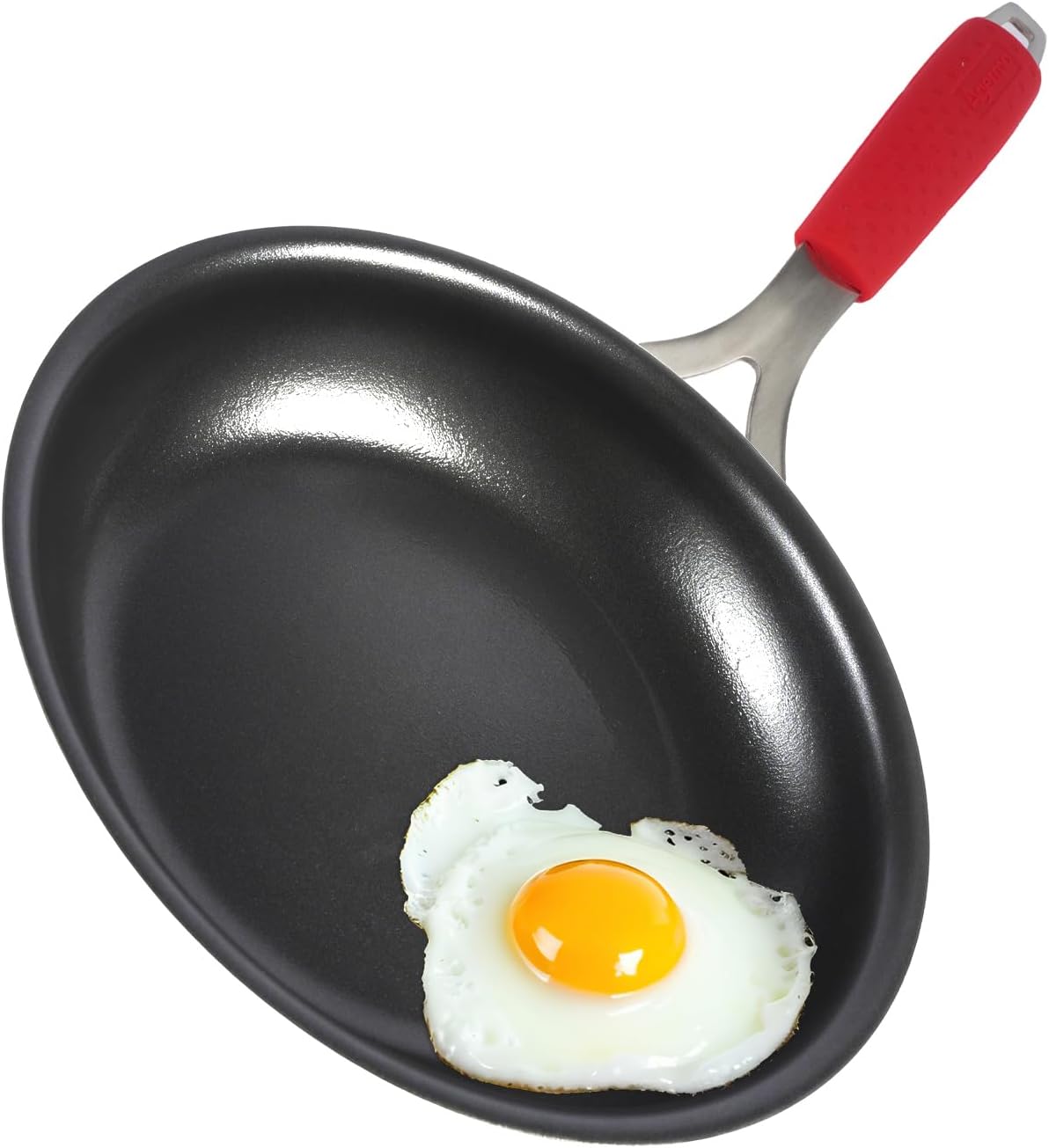
Nonstick frying pans have a coating that releases food easily. They are best for low- to medium-heat cooking of eggs, crepes, delicate fish, and grilled cheese sandwiches. You need very little oil or butter, and cleanup is quick with a soft sponge.
Heat Limits
Most nonstick coatings are safe only up to medium heat. High heat can damage the coating and release fumes. A common rule of thumb is to never preheat an empty nonstick pan and to avoid cooking above medium on your stovetop. If you need a hard sear or a high-heat stir-fry, choose a different pan.
Utensils and Care
Use only silicone, wood, or plastic utensils with nonstick pans. Metal utensils scratch the coating and shorten the pan’s life. Wash by hand with a soft cloth or sponge; dishwasher cycles and abrasive cleaners wear down the coating faster.
When to Replace
Nonstick pans are not permanent. Once the coating shows scratches, peeling, or flaking, replace the pan. Damaged coatings can chip into food and lose their release properties. Depending on use, a nonstick pan may last a few years before needing replacement.
Stainless Steel
Stainless steel frying pans are durable, oven-safe to high temperatures, and compatible with all stovetops including induction. They do not have a nonstick coating, so food will stick unless you use enough fat and proper technique. The payoff is superior browning, fond (the browned bits left in the pan), and the ability to deglaze with wine or broth for pan sauces.
Strengths
Stainless steel handles acidic ingredients like tomato sauce or citrus without reacting, unlike cast iron or carbon steel. It is dishwasher-safe, though hand washing preserves the finish. A good stainless skillet can last a lifetime with reasonable care.
Learning Curve
You need to preheat the pan properly and add oil before food. A simple test: when a drop of water beads and skates across the surface, the pan is ready. Food releases naturally once it has formed a crust. If you are new to stainless steel, expect some sticking at first, but the results improve quickly.
For holiday cooking, a stainless steel skillet is excellent for searing roasts, browning vegetables, and making gravy or sauce right in the pan. Many home cooks reach for their stainless skillet as their everyday workhorse. Browse stainless steel skillets for options that fit your stovetop and oven.
Cast Iron and Carbon Steel
Cast iron and carbon steel are similar in performance but differ in weight and responsiveness. Both require seasoning (a baked-on oil layer) to become naturally nonstick and rust-resistant.
Cast Iron
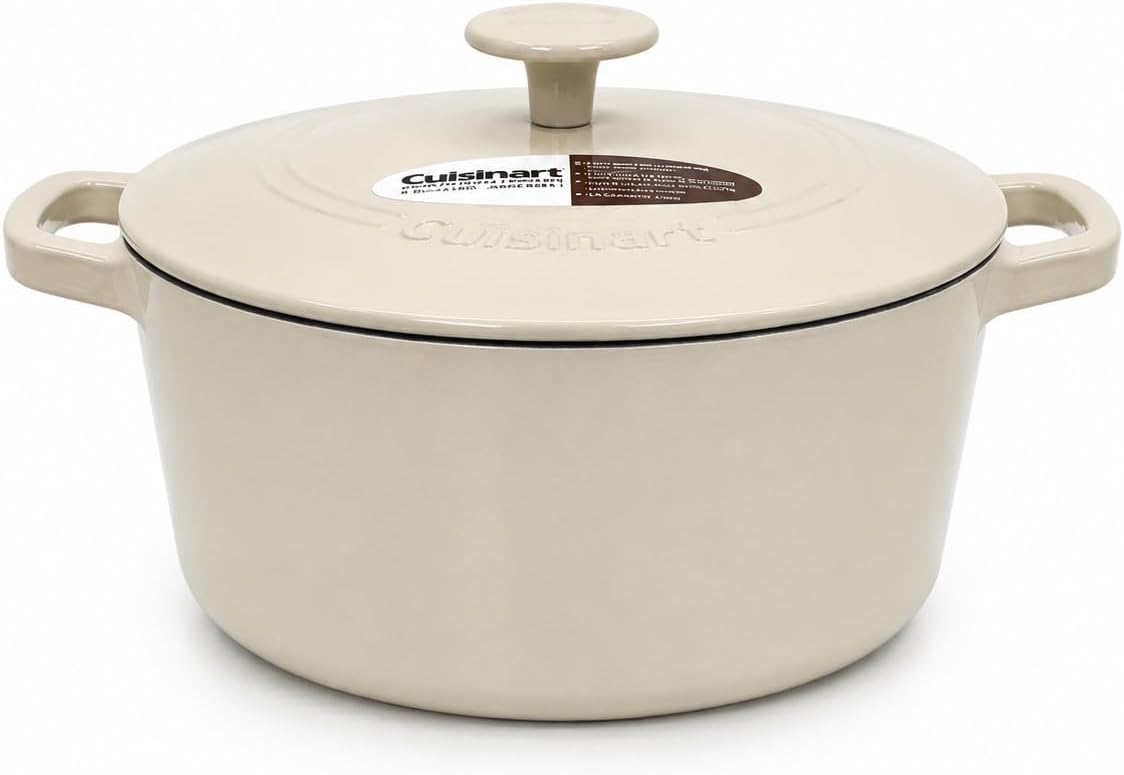
Cast iron is heavy and retains heat exceptionally well. It is ideal for searing steaks, frying chicken, baking cornbread, and any recipe that benefits from steady, even heat. Cast iron is oven-safe to very high temperatures, making it perfect for finishing dishes in the oven or baking. It works on all stovetops, including induction.
The main downsides are weight and reactivity. Cast iron pans are heavy, especially in larger sizes. Acidic foods like tomatoes or wine can react with bare cast iron, giving food a metallic taste and stripping seasoning. For these ingredients, use stainless steel or enameled cast iron.
Carbon Steel
Carbon steel is lighter than cast iron and heats up faster. It is popular for stir-frying, crepes, and omelets. Like cast iron, it needs seasoning and is not suitable for long simmering of acidic foods. Carbon steel pans are typically oven-safe to high temperatures and work on induction if the base is flat.
Both cast iron and carbon steel benefit from a well-maintained seasoning layer. For detailed guidance on building and maintaining seasoning, see How to Season and Care for Cast Iron Cookware.
Sizes
Frying pans are commonly sold in 8-inch, 10-inch, and 12-inch diameters. Your choice depends on how many people you cook for and what you typically make.
| Size | Best For |
|---|---|
| 8-inch | Single eggs, small omelets, grilled cheese, or reheating leftovers for one person. |
| 10-inch | Two eggs, chicken breasts, small pancakes, or sautéing vegetables for two people. This is a versatile all-purpose size. |
| 12-inch | Four eggs, larger cuts of meat, stir-fry for a family, or batch cooking. Requires a larger burner for even heating. |
A 10-inch pan is the most common starting point. If you cook for one or two people most of the time, it handles nearly everything. Add a 12-inch pan if you frequently cook for a crowd or sear large steaks. An 8-inch pan is useful for small jobs but not essential.
Induction and Oven-Safe Checks
Not all frying pans work on induction cooktops or in the oven. Here is what to look for.
Induction Compatibility
Induction cooktops require pans with a magnetic base. Cast iron and most stainless steel pans are induction-compatible. Nonstick pans vary: some have a magnetic stainless steel plate in the base, while plain aluminum ones do not. Before buying, check the packaging or manufacturer’s description for induction compatibility. A simple test at home is to see if a magnet sticks firmly to the bottom of the pan.
Oven Safety
Most stainless steel and cast iron pans are oven-safe to at least 400°F, and many go higher. Nonstick pans have lower oven limits, typically 350°F to 450°F depending on the coating and handle material. Always check the manufacturer’s instructions for the maximum oven temperature. Pans with silicone or plastic handles may not be oven-safe at all. If you plan to finish dishes in the oven, choose a pan with metal handles and a confirmed oven-safe rating.
Carbon steel pans are generally oven-safe to high temperatures, but the handle may get hot, so use oven mitts.
Care and When to Replace
Proper care extends the life of any frying pan. Here are the basics for each material.
Nonstick Care
Hand wash with mild detergent and a soft sponge. Do not use metal utensils, abrasive scrubbers, or dishwasher cycles. Store with a protective layer (a paper towel or pan protector) to prevent scratches. Replace the pan when the coating shows any signs of peeling, flaking, or significant scratching.
Stainless Steel Care
Stainless steel is dishwasher-safe, but hand washing preserves the shine. For stuck-on food, soak with warm water and a little dish soap, then scrub with a non-abrasive pad. A stainless steel cleaner can restore the finish. Stainless steel pans last for decades and rarely need replacement unless they warp or the handle breaks.
Cast Iron and Carbon Steel Care
Wash with hot water and a stiff brush. A little mild dish soap is fine on a well-seasoned pan. Never soak cast iron or carbon steel, as this can cause rust. Dry thoroughly over low heat on the stovetop, then rub with a small amount of cooking oil. For detailed seasoning instructions, see How to Season and Care for Cast Iron Cookware.
Replace cast iron or carbon steel only if they crack or develop deep pitting. Rust can be removed and seasoning rebuilt. These pans can last generations with proper maintenance.
FAQ
Which frying pan material is best for eggs?
Nonstick is the easiest for eggs because it requires less fat and releases the egg cleanly. A well-seasoned carbon steel pan also works well once the seasoning is established, but it has a steeper learning curve.
Can I use metal utensils on stainless steel?
Yes. Stainless steel is durable and will not be damaged by metal utensils. You may see minor surface scratches over time, but they do not affect performance.
Is cast iron safe for induction cooktops?
Yes, cast iron is fully compatible with induction cooktops because it is magnetic. Just be careful not to slide the pan, as the heavy iron can scratch the glass surface.
How do I know if a pan is oven-safe?
Check the manufacturer’s instructions or look for an oven-safe symbol on the bottom of the pan. Most stainless steel and cast iron pans are oven-safe to at least 400°F. Nonstick pans often have lower limits, and pans with plastic or silicone handles are usually not oven-safe.
Choosing a frying pan is about matching the material to your cooking habits. A nonstick pan handles delicate foods with ease, stainless steel gives you browning and sauce-making power, and cast iron or carbon steel bring high heat and versatility. With the right sizes and proper care, your pans will serve you through many holiday meals and everyday cooking. For large breakfasts, a griddle can also be a valuable addition; see Griddles for Holiday Breakfasts for more options.