Rolling and cutting sugar cookies comes down to a few simple habits: chill the dough, roll it between parchment, and use thickness guides so every cookie bakes evenly. This guide walks through each stage, from the first roll to rerolling scraps, so your cutouts hold their shape and bake with clean edges. For a broader look at baking fundamentals, the baking guide covers measuring, mixing, and oven setup.
What You Need
You do not need much equipment to roll and cut sugar cookies, but the right basics make the job faster. The cookie tools guide explains the full range of useful items, and this list covers what you will actually use at the cutting board and baking sheet.
- A chilled batch of sugar cookie dough
- A rolling pin, ideally one with removable thickness rings — see rolling pins
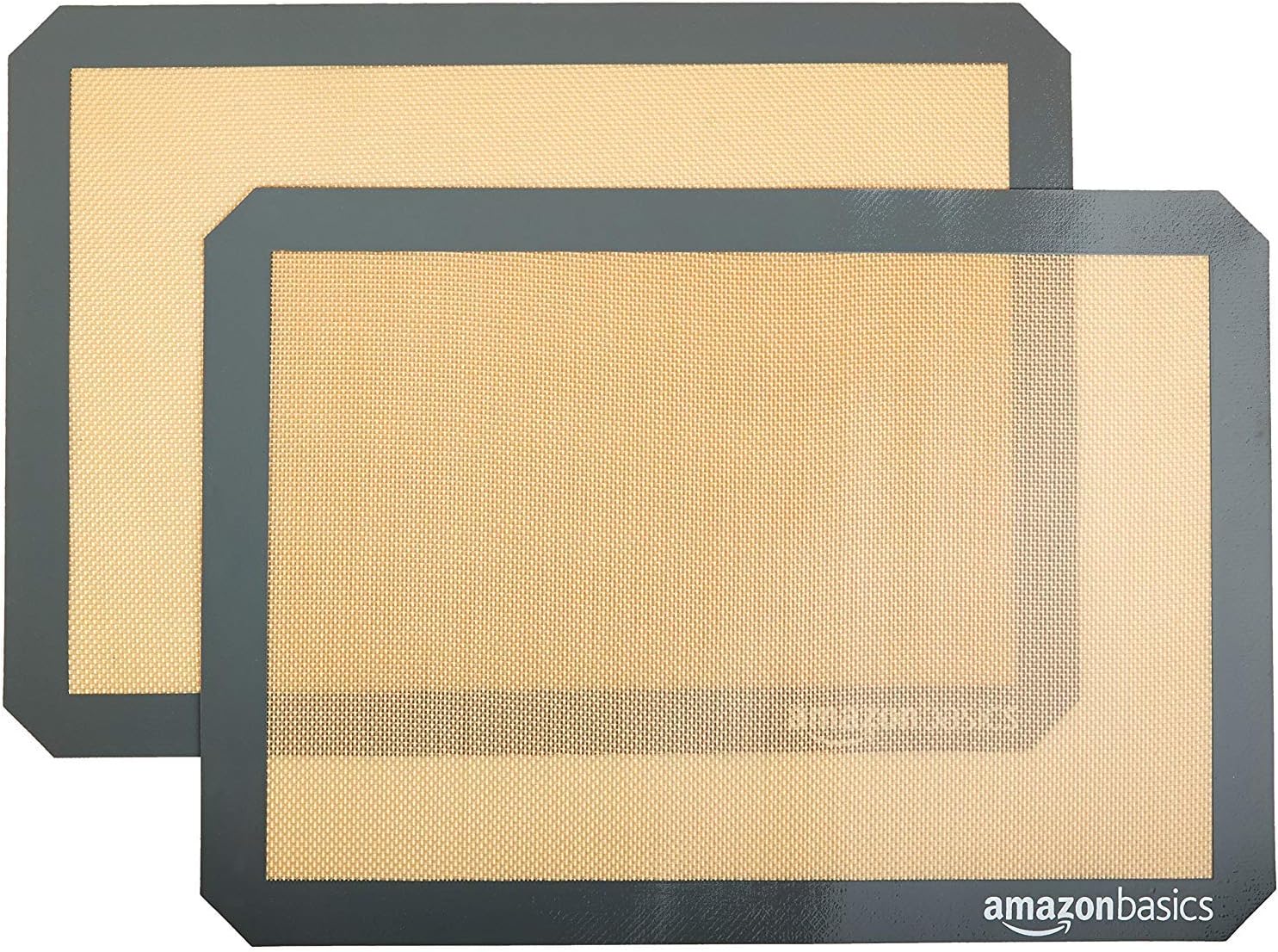
- Parchment paper or a silicone baking mat; the comparison of silicone baking mats vs parchment paper can help you choose
- Cookie cutters in the shapes you want — cookie cutters work well for standard holiday designs
- A bench scraper or thin offset spatula for lifting cut cookies
- A baking sheet large enough to hold the cutouts without crowding
- A small dish of flour for dusting the cutter, if needed
- A sturdy mixing bowl for the dough; the guide to choosing mixing bowls explains what to look for
Step-by-Step Instructions
Chill the Dough
Chilling is the first step for a reason. Cold dough stays firm, rolls out smoothly, and holds the shape of a cookie cutter without spreading in the oven. After mixing the dough, divide it into flat discs, wrap each one well, and refrigerate until it is firm. At least one hour is a common guideline, and you can keep it longer if it fits your schedule. If the dough feels too stiff to roll after chilling, let it sit at room temperature for five to ten minutes.
Roll Between Parchment
Place one chilled disc between two sheets of parchment paper. Roll from the center outward, applying even pressure and turning the parchment sandwich occasionally so the dough does not stick to one side. Rolling between parchment means you rarely need extra flour, which keeps the dough moist and tender. If you prefer to roll directly on a silicone mat, cover the dough with a second piece of parchment and roll as usual.
Use Thickness Guides
Even thickness is what makes cookies bake at the same rate. Many rolling pins come with removable thickness rings that set a precise gap, so you can roll confidently without measuring. If your pin does not have rings, place two identical guides alongside the dough and rest the ends of the rolling pin on them. A 1/4-inch thickness is a common target for cutout sugar cookies, but check your recipe and use whatever thickness it suggests.
Cut Close Together
Once the dough is rolled, position the cutters as close together as you can while still leaving a small gap between shapes. This gap keeps adjacent cutouts from tearing when you lift one away. Dip the cutter in flour before each cut if it sticks, then press straight down and lift straight upward. Avoid twisting the cutter, because the twisting motion can make the edges slightly irregular.
Transfer the Cutouts
Slide a bench scraper or offset spatula under each cutout and lift it onto the baking sheet. Keep the cookie flat as you move it so the shape does not distort. Parchment on the baking sheet makes the transfer easier and prevents the bottoms from over-browning. Leave about an inch of space around each cookie so air can circulate evenly.
Chill Cutouts Before Baking
The cut shapes benefit from one more short chill. Place the baking sheet with the cutouts in the refrigerator until the cookies feel firm. This step firms the butter again and helps the edges stay sharp in the oven. If you bake right after cutting, especially in a warm kitchen, the cookies are more likely to spread and lose their defined outlines.
Reroll the Scraps
After the first round of cutting, gather the leftover dough and press it gently into a disc. Avoid kneading it too much, because overworking the dough creates toughness. If the scraps have become soft, return the disc to the refrigerator for a few minutes before rerolling. Roll the scraps between parchment just like the first time, then cut and transfer the remaining shapes.
Common Mistakes
Sugar cookies are forgiving, but a few habits cause most of the trouble. Here is what to watch for:
- Using warm dough. Warm dough sticks, stretches, and bakes into soft, uneven shapes. Chill the dough until firm, and chill it again if the kitchen gets hot.
- Skipping thickness guides. Without a consistent thickness, some cookies bake faster and become crisp while others stay pale. Use rings or guide sticks every time.
- Cutting too close together without leaving a tiny gap. Shapes can tear or press into each other when you lift them. A small border keeps the outline clean.
- Twisting the cutter. A slight twisting motion may seem helpful, but it can distort the edge of the dough. Press down and lift straight up.
- Skipping the pre-bake chill. Cutouts that go straight into the oven from a warm counter can relax and spread. Always chill the cut cookies first.
Troubleshooting
If a batch does not go perfectly, the fix is usually straightforward. The table below covers the most common symptoms and what to do about them.
| Issue | Likely Cause | Fix |
|---|---|---|
| Cookies spread in the oven | Dough or cutouts are too warm | Chill the cutouts on the baking sheet until firm before baking |
| Dough sticks to the cutter | Warm dough or an unfloured cutter | Dip the cutter in flour and chill the dough again |
| Ragged or rounded edges | Dough not cold enough or cutter twisted | Use colder dough and press straight down, then lift straight upward |
| Dough cracks while rolling | Too cold or too dry | Let it rest at room temperature for a few minutes and roll with light pressure |
| Rerolled cookies are tough | Scraps handled too much | Press scraps gently and reroll only once |
FAQ
Why is it important to chill sugar cookie dough?
Chilling firms the butter, which makes the dough easier to handle and less likely to spread in the oven. It also relaxes the dough slightly, so cutouts keep their shape while baking.
Can I roll sugar cookie dough on a floured surface instead of parchment?
Yes, you can, but parchment is simpler because it prevents sticking without adding extra flour. If you do use a floured surface, brush off any excess flour from the dough before cutting and baking.
What should I do if my dough cracks while rolling?
Set the dough aside at room temperature for a few minutes, then roll again with even pressure. If the dough still seems dry, add a few drops of water or milk and gently press it together until it becomes pliable.
How many times can I reroll sugar cookie scraps?
The fewer rerolls, the more tender the cookies. One gentle reroll of the scraps is usually enough. After that, the dough can become tough, dry, or slightly gray from overworking.
With a chilled dough, an even rolling thickness, and one last chill before baking, sugar cookie cutouts will come out of the oven crisp, clean, and ready to decorate. Keep the scraps moving through the same process, and you can turn an entire batch into a full tray of shaped cookies.