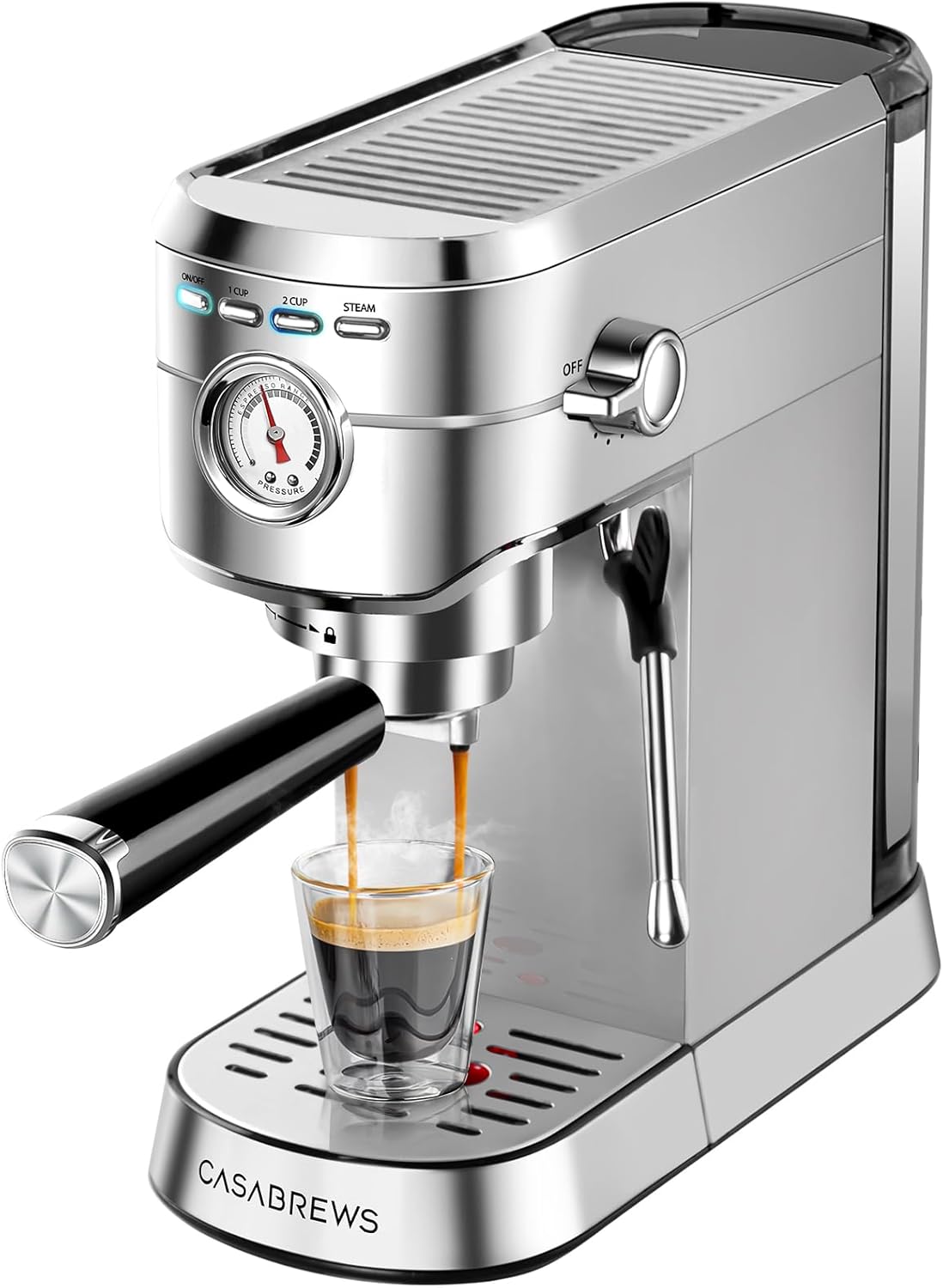
Choosing a coffee maker for your household and holiday guests comes down to matching the machine to how much coffee you actually serve, how you prefer to brew, and how much maintenance you are willing to take on. Drip machines, single-serve pod brewers, pour-over setups, French presses, and large urns each solve different problems. This guide walks through batch sizes, carafe materials, cleaning routines, and serving strategies so you can pick the right brewer for everyday mornings and crowded holiday tables.
How many cups you really need
Before comparing machine types, calculate your real coffee demand. A standard coffee cup is about six ounces, while a mug holds ten to twelve ounces. Most drip coffee makers advertise “12 cups,” but that means twelve five- or six-ounce servings, not twelve full mugs. For a household of two, a 12-cup machine gives you four to six mugs, which is plenty for a morning plus a refill. For holiday gatherings, plan on two cups per guest over the course of a meal or brunch. A group of ten adults will drink roughly twenty mugs, or 200 ounces or more of brewed coffee. That is more than a standard 12-cup carafe can hold in one batch, so you will either brew twice or step up to a larger urn.
Consider your daily routine as well. If you drink one cup each morning, a full-size drip machine wastes energy and coffee. A single-serve brewer or a small pour-over setup may fit better. If you host frequently, prioritize a machine that can brew a full carafe quickly and keep it hot for an hour or more. Brewing only what you will drink keeps coffee from sitting on a hot plate too long.
Drip coffee makers
Drip coffee makers are the most common choice for households because they balance capacity, convenience, and price. A standard drip machine uses a paper or reusable filter, heats water, and drips it over ground coffee in a basket. Most models brew between 4 and 14 cups, with programmable timers, brew-strength settings, and pause-and-serve features that let you pour a mug mid-cycle.
For a household of two to four people, a 10- or 12-cup drip machine is a reliable workhorse. It handles weekday mornings without fuss and can brew a second batch quickly for weekend guests. Look for a model with a showerhead-style water dispenser that saturates the grounds evenly, and a brew basket that is easy to remove and rinse. Some machines include a charcoal water filter to reduce mineral taste, which is helpful if your tap water is hard.
The main drawback of drip machines is that the hot plate can scorch coffee if left on for more than an hour. If you tend to sip slowly, choose a model with an automatic shutoff or pair it with a thermal carafe (covered below). Drip machines also require regular cleaning of the water reservoir, brew basket, and carafe to avoid oily buildup that turns coffee bitter.
For holiday mornings when you want a full pot ready before guests arrive, a programmable drip machine with a thermal carafe is the most practical option. You can set it the night before, and the coffee stays hot without burning. If you need to brew more than one pot back-to-back, check that the water reservoir is easy to refill and that the carafe fits under the brew head without spilling.
Single-serve machines
Single-serve pod brewers make one cup at a time using pre-packaged pods or refillable baskets. They are ideal for households where people drink different roasts, want decaf and regular options side by side, or prefer a quick cup without measuring grounds. Most models brew an eight- to twelve-ounce cup in under a minute, and some also dispense hot water for tea or instant oatmeal.
The trade-off is speed and capacity. Brewing twenty cups for a holiday brunch with a single-serve machine means twenty separate cycles, which is slow and requires constant refilling of the water tank. If you host large gatherings, a single-serve machine works best as a secondary brewer for decaf or specialty drinks, while a drip machine or urn handles the main supply. For everyday use, a single-serve machine is convenient, but you will need to keep a stock of pods or clean a refillable basket between cups.
Cleaning a single-serve machine is straightforward but must be done regularly. Pod puncturing needles and the brew head collect coffee oils and grounds, so wipe them after each use and run a descaling cycle every few months. Refillable baskets reduce waste but require consistent grind size; a medium-fine grind works best to avoid clogging. If you choose a pod system, check that your preferred roast is available in that format, because you are locked into that ecosystem unless you use a reusable pod.
Pour-over and French press
Pour-over and French press brewers are manual methods that give you complete control over flavor and strength. They are excellent for households that value a rich, clean cup and do not need to serve a crowd quickly. A pour-over setup uses a cone-shaped dripper, paper filter, and a gooseneck kettle to pour hot water over grounds in a slow spiral. A French press uses a cylindrical carafe and a mesh plunger to steep coarse grounds directly in water, then press them to the bottom.
Pour-over is best for one to four cups at a time. You can brew directly into a mug or a small carafe, but each batch takes about four to five minutes of active attention. The paper filter removes most oils and fine sediment, producing a bright, tea-like cup. For holiday mornings, a pour-over is a lovely ritual for a quiet breakfast for two, but it is impractical for twelve guests unless you set up multiple stations.
A French press makes a fuller-bodied coffee because the metal mesh does not trap natural oils. It can brew four to eight cups in one batch, depending on the size of the press. Steeping takes about four minutes, then you plunge and serve immediately. The coffee continues to extract if it sits on the grounds, so pour it into a thermal carafe or serve right away. French presses are easy to clean—rinse the grounds, wash the carafe and plunger—but they do not keep coffee hot, so they suit small groups who drink promptly.
Both methods require a consistent grind. A burr grinder is worth the investment because blade grinders produce uneven particles that make pour-over taste bitter and French press gritty. For more on grinders, see blade vs burr coffee grinders to match your grind to your brew method.
Urns for crowds
For holiday gatherings of twelve or more, a coffee urn is the most efficient solution. Urns are large, insulated containers that brew and hold anywhere from 20 to 100 cups. They work like a drip machine but on a much larger scale, with a heating element that keeps the coffee hot for hours. Most urns have a spigot at the base, so guests can serve themselves without lifting a heavy carafe.
Choose an urn based on your guest count. A 30-cup urn suits a smaller brunch, while a 55-cup urn suits a large dinner or buffet. Urns brew coffee in batches, so you need to measure the correct amount of ground coffee and water for the full capacity. Many models include a basket for grounds and a clear water-level window. The urn’s heating element keeps the coffee hot, but it can develop a cooked taste if left for several hours, so plan to brew fresh when the urn runs low.
Cleaning an urn is more involved than a drip machine. The spigot, lid, and brew basket need thorough washing after each use, and mineral scale builds up quickly in the heating element. Run a descaling solution through the urn regularly, following the manufacturer’s instructions, to keep the spigot flowing and the coffee tasting clean. Urns are bulky to store, so consider your cabinet space before committing to one. If you host only a few times a year, a large drip machine and a thermal carafe may be a better use of space.
Glass vs thermal carafes
The carafe material affects how long your coffee stays hot and how it tastes over time. Glass carafes sit on a heated plate, which keeps coffee warm but can scorch it after an hour. They are easy to see through, simple to wash, and inexpensive to replace. However, glass is fragile, and the hot plate consumes energy and dries out the coffee’s aromatic oils.
Thermal carafes are double-walled, vacuum-insulated containers that keep coffee hot for several hours without an external heat source. They preserve flavor better because the coffee does not sit on a burner. Thermal carafes are ideal for holiday mornings when you want to brew a pot and serve it over an hour or two without bitterness. The trade-offs are that thermal carafes are heavier, harder to clean (many have narrow openings), and more expensive to replace. Some drip machines with thermal carafes lack a hot plate, so you must preheat the carafe with hot water before brewing to keep the first cup hot.
For everyday use, a glass carafe is fine if you drink your pot within an hour. For entertaining, a thermal carafe is the better choice because it keeps a full pot drinkable for hours and lets you move the carafe to a buffet table without cords. If you already own a drip machine with a glass carafe, you can pour the brewed coffee into a separate thermal server to extend its life.
Cleaning and descaling
All coffee makers need regular cleaning to produce good-tasting coffee and last for years. Coffee oils and mineral scale accumulate inside the water reservoir, heating element, and brew basket, which can make coffee taste bitter or metallic. A simple routine after each use is to rinse the carafe and brew basket, and wipe the warming plate once it cools. Once a month, wash removable parts with warm, soapy water and run a vinegar or descaling solution through the machine according to the manufacturer’s instructions.
Descaling is especially important if you have hard water. Mineral deposits clog the internal tubing and reduce water flow, which makes brewing slower and weaker. Most manufacturers recommend descaling every one to three months, but check your manual for the exact interval. For pod machines, run a descaling cycle with a cleaning solution, then follow with several plain water cycles to rinse. For French presses and pour-over cones, hand-wash them after each use and dry thoroughly to prevent mold.
If you use a paper filter, discard it after each brew. Reusable metal filters need a scrub with a soft brush to remove trapped oils. Do not put thermal carafes in the dishwasher unless the label says they are dishwasher-safe; the vacuum seal can break. A clean machine not only tastes better but also brews at the correct temperature and flow rate, so your holiday coffee comes out consistent.
| Brewer type | Best for | Batch size | Heat retention | Cleaning effort |
|---|---|---|---|---|
| Drip machine | Everyday household, small gatherings | 4–14 cups | Glass: 1 hour; thermal: 2+ hours | Moderate |
| Single-serve pod | Individual cups, varied preferences | 1 cup per cycle | Drink immediately | Low to moderate |
| Pour-over | One to four cups, flavor control | 1–4 cups | Drink immediately | Low |
| French press | Small groups, full-bodied coffee | 4–8 cups | Drink immediately | Low |
| Coffee urn | Large gatherings, buffet service | 20–100 cups | Hours on warming plate | High |
FAQ
What size coffee maker do I need for a household of two?
A 10- to 12-cup drip machine is a good fit because it brews enough for two mugs each with leftovers for a refill. If you prefer single cups, a single-serve machine or a pour-over setup works well.
How do I keep coffee hot for a holiday brunch without burning it?
Use a drip machine with a thermal carafe, or brew into a separate insulated server. Thermal carafes keep coffee hot for hours without a hot plate, so the flavor stays fresh.
Should I buy a coffee urn for occasional large gatherings?
Only if you host twelve or more guests regularly. For occasional events, a large drip machine plus a thermal carafe is easier to store and clean. If you do buy an urn, choose a size that matches your largest expected guest count.
How often should I descale my coffee maker?
Follow the manufacturer’s instructions, but a common rule of thumb is every one to three months, depending on water hardness. If you notice slower brewing or a metallic taste, descale sooner.
Matching your coffee maker to your household size and guest count makes holiday mornings smoother. A drip machine with a thermal carafe covers most homes, while a single-serve brewer adds flexibility and an urn handles big crowds. Pair your brewer with a good grinder for fresh, consistent coffee, and keep up with cleaning and descaling so every pot tastes its best. For large breakfast spreads, consider a griddle alongside your coffee station to cook pancakes and eggs while the coffee brews—see griddles for holiday breakfasts for serving tips.