 By Ethan Brooks
Updated November 2026
Choosing the right oil for turkey fryer use matters more than most cooks expect. The oil sets the cooking temperature, affects how the skin browns, and decides how much you spend per holiday. This guide looks at five oils in the sizes and styles most home cooks buy for frying a whole bird. Our selection focused on smoke point, flavor neutrality, container size, the type of oil (peanut or canola), and the patterns owners tend to mention in their feedback. We did not run any frying tests ourselves; every point below comes from product listings, manufacturer specifications and general food-science guidance.
Our top picks at a glance
- 1
 TOP CHOICEBest overallAmazon Grocery, Peanut Oil, 128 Fl Oz, Pack of 2 (Previously Amazon FrView on Amazon
- 2
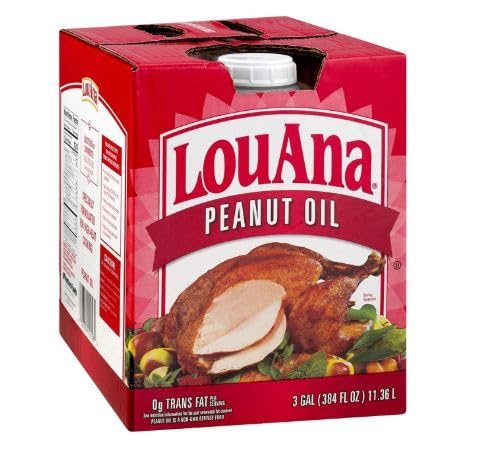 TOP CHOICEBest for small kitchens100% Pure Peanut OilView on Amazon
- 3
 TOP CHOICEBest budget pick2MS Box with 20 Peanut Frying Oil 3 Gallons Plastic Bottle 384 fl oz each oneView on Amazon
- 4
 Best for heavy-duty commercial-style fryingAdmiration Fry-n-fry Heavy Duty Canola Liquid Frying Oil, 35 PoundView on Amazon
- 5
 Best for high-heat frying with nutty flavorANF Brands Pure Peanut Oil (4.5 Gallons) – High Smoke Point, Nutty FlavorView on Amazon
Our Top Picks
Quick Comparison
| Product | Best for | Key feature |
|---|---|---|
| Amazon Grocery Peanut Oil, 128 Fl Oz, Pack of 2 | Most home cooks frying one turkey a year | Two large bottles for a full holiday |
| 100% Pure Peanut Oil | Small kitchens and smaller batches | Single-container, easier storage |
| 2MS Box with 20 Peanut Frying Oil, 384 fl oz each | Budget-conscious bulk buyers | Case of 20 containers |
| Admiration Fry-n-fry Heavy Duty Canola Liquid Frying Oil, 35 Pound | Large-batch and frequent frying | Heavy-duty bulk canola oil |
| ANF Brands Pure Peanut Oil, 4.5 Gallons | Cooks who want a high smoke point and nutty flavor | 4.5-gallon container |
Amazon Grocery Peanut Oil, 128 Fl Oz, Pack of 2 (Previously Amazon Fresh, Packaging May Vary)
Amazon Grocery, Peanut Oil, 128 Fl Oz, Pack of 2 (Previously Amazon Fresh, Packaging May Vary)
Best for: Most home cooks who fry one turkey per year and want enough oil for the whole job.
This is a practical choice for a single holiday fry. Two 128-ounce containers give you a large volume without the storage problem of a multi-gallon drum, and peanut oil is the traditional choice for turkey frying because it holds up well at the temperatures used.
Key specs
- Pack of 2 containers, 128 fl oz each
- Peanut oil
- Packaging may vary, per the listing
Pros
- Enough volume for a typical turkey fryer pot
- Peanut oil is widely used for deep frying
- Easier to handle than a single large drum
Cons
- Packaging appearance may differ from listing photos
- Two containers mean two openings to manage when pouring
Bottom line: A strong default for a first-time turkey fryer owner who wants a single, manageable purchase for one holiday.
View on Amazon100% Pure Peanut Oil
100% Pure Peanut Oil
Best for: Small kitchens and smaller batches where storage space is limited.
This option suits cooks who need only enough oil for one fryer load and do not want to store a large quantity between holidays. Pure peanut oil is a common choice for deep frying because of its high smoke point and mild taste.
Key specs
- 100% peanut oil, per the listing name
Pros
- Pure single-ingredient oil
- Easier to store than bulk containers
- Suitable for deep frying at typical turkey-fryer temperatures
Cons
- Smaller volume may not cover a large fryer pot in one batch
- Peanut oil is a concern for guests with peanut allergies
Bottom line: Good for cooks in tight spaces who want pure peanut oil without buying a large bulk supply.
View on Amazon2MS Box with 20 Peanut Frying Oil 3 Gallons Plastic Bottle 384 fl oz each one
2MS Box with 20 Peanut Frying Oil 3 Gallons Plastic Bottle 384 fl oz each one
Best for: Budget-conscious buyers who want the lowest per-ounce option in bulk.
This case is aimed at people who fry often, cook for large gatherings, or want to keep a stock of oil on hand. The case format spreads the purchase across many containers.
Key specs
- Box of 20 containers, 384 fl oz each
- Peanut frying oil in plastic bottles
Pros
- Large total volume for multiple fry sessions
- Case packaging keeps supply organized
- Well suited to bulk use
Cons
- Very large quantity may exceed what one holiday requires
- Requires room to store a full case
Bottom line: Best for frequent fryers or community cooks who will use the whole case over time.
View on AmazonAdmiration Fry-n-fry Heavy Duty Canola Liquid Frying Oil, 35 Pound
Admiration Fry-n-fry Heavy Duty Canola Liquid Frying Oil, 35 Pound
Best for: Large-batch and frequent frying where a heavy-duty canola oil is the priority.
This is a foodservice-style bulk oil. It fits cooks who fry large quantities or run a catering or church-kitchen operation and want a canola-based option rather than peanut.
Key specs
- 35 pound (bulk) canola liquid frying oil
- Heavy-duty formulation, per the listing name
Pros
- Canola is a neutral-flavored frying oil
- Very large volume for repeated frying
- Useful for those avoiding peanut oil
Cons
- Far more oil than most single-turkey fry needs
- Bulk packaging is difficult to handle without proper pouring equipment
Bottom line: A good fit for foodservice-minded cooks or groups who fry often and want a peanut-free option.
View on AmazonANF Brands Pure Peanut Oil (4.5 Gallons) – High Smoke Point, Nutty Flavor
(4.5 Gallons) – ANF Brands Pure Peanut Oil – High Smoke Point, Nutty Flavor, Ideal for Frying and Cooking
Best for: Cooks who want a high smoke point and a noticeable nutty flavor on the finished bird.
This 4.5-gallon peanut oil is marketed for frying and cooking, and it suits people who plan to fry a turkey and want enough oil for the pot and possibly other frying projects.
Key specs
- 4.5 gallon container
- Pure peanut oil
- Listed as high smoke point and nutty flavor
Pros
- Large single container with no need to combine bottles
- High smoke point suits high-heat frying
- Nutty flavor many cooks prefer on fried poultry
Cons
- Heavy container is awkward to lift and pour
- Peanut allergy concerns apply, as with any peanut oil
Bottom line: Suited to cooks who want one large container and a richer flavor profile for holiday frying.
View on AmazonBuying Guide
Smoke point
Smoke point is the temperature at which oil begins to break down and smoke. Turkey frying typically happens around 350°F, so you want an oil whose smoke point comfortably exceeds that. Refined peanut oil and refined canola oil are common choices for this reason. Check the label or product description before buying, since refined and unrefined versions differ.
Good picks for this: ANF Brands Pure Peanut Oil, Admiration Fry-n-fry Heavy Duty Canola Liquid Frying Oil
Peanut versus canola
Peanut oil is the traditional turkey-frying oil and adds a subtle nutty note. Canola oil is more neutral and is often chosen for cost and for guests with peanut allergies. Either works when properly refined and used at the right temperature.
Good picks for this: 100% Pure Peanut Oil, Admiration Fry-n-fry Heavy Duty Canola Liquid Frying Oil
Container size and how much you need
Most turkey fryer pots require several gallons of oil to submerge a bird fully, and the exact amount depends on the pot size and bird weight. Measure with water first: place the turkey in the empty pot, add water until it is covered by about an inch, then remove the bird and mark the level. Use that volume as your oil target. Buy a container size that covers the job without leaving you with a large surplus.
Good picks for this: Amazon Grocery Peanut Oil, 128 Fl Oz, Pack of 2, ANF Brands Pure Peanut Oil (4.5 Gallons)
Single container versus multiple bottles
A single large drum is easier to store but harder to pour. Multiple bottles are lighter and easier to handle, though you have more caps to manage. For a first fry, a manageable container that you can lift safely is often the better choice.
Good picks for this: Amazon Grocery Peanut Oil, 128 Fl Oz, Pack of 2, 100% Pure Peanut Oil
Bulk value and storage
Bulk cases can lower the per-ounce cost and suit frequent fryers, but they require storage space and a plan to use the oil before it degrades. Store unopened oil in a cool, dark place, and keep opened containers sealed. Oil that smells rancid or looks dark should be discarded.
Good picks for this: 2MS Box with 20 Peanut Frying Oil, Admiration Fry-n-fry Heavy Duty Canola Liquid Frying Oil
Allergies and guest needs
Peanut oil is highly refined in most frying products, but many people still avoid it. If you are cooking for guests with peanut allergies, canola is the more common alternative. Check labels carefully, and consult a medical professional or allergist if you have questions about a specific allergy.
Good picks for this: Admiration Fry-n-fry Heavy Duty Canola Liquid Frying Oil, 100% Pure Peanut Oil
Handling, pouring and disposal
Hot oil is a serious burn and fire hazard. Pour cool oil into the pot, not hot oil from the fryer. Heavy containers should be lifted with both hands and poured slowly. Never pour used oil down the drain; let it cool, strain it, and store it in a sealed container for disposal through local guidelines.
Good picks for this: ANF Brands Pure Peanut Oil (4.5 Gallons), 2MS Box with 20 Peanut Frying Oil
FAQ
What is the best oil for turkey fryer use?
Refined peanut oil and refined canola oil are the most common choices because both have high smoke points suited to frying at around 350°F. Peanut oil adds a mild nutty flavor, while canola is more neutral and is often used when guests have peanut allergies.
How much oil do I need for a turkey fryer?
Place the thawed, dry turkey in the empty pot and add water until it is covered by about an inch. Remove the turkey, dry the pot, and note the water level. That volume is the amount of oil you need to fry the bird fully submerged.
Can I reuse turkey fryer oil?
You can reuse oil a limited number of times if it is strained well and stored properly, but it breaks down with each use and can pick up off-flavors. Discard oil that smells rancid, looks very dark, or foams excessively.
Is peanut oil safe for turkey frying?
Peanut oil is widely used for turkey frying and is safe for most people when used correctly. It is not safe for anyone with a peanut allergy, so inform guests and consider canola oil instead. Consult an allergist if you have questions about your own or a guest’s allergy.
What temperature should turkey fryer oil reach?
Most turkey fryer guidance points to about 350°F for frying, with the oil brought up slowly and monitored with a thermometer. Use a reliable deep-fry or candy thermometer, and never leave hot oil unattended.
How should I store unused turkey fryer oil?
Keep sealed oil in a cool, dark place away from heat sources. Once opened, reseal the container tightly and use it within a reasonable time. Oil stored well will keep its flavor longer.
Conclusion
For most home cooks frying one turkey a year, the Amazon Grocery Peanut Oil two-pack offers a manageable, practical volume. Cooks in small kitchens may prefer the single 100% Pure Peanut Oil container. Budget-minded or frequent fryers will find the 2MS case most economical, while the Admiration canola option suits heavy-duty and peanut-free frying. The ANF Brands 4.5-gallon peanut oil is a good choice for cooks who want one large container and a nutty flavor. Match your choice to your pot size, storage space and whether guests have allergies, and you will have the right oil for a safe, golden bird.
Related reading: Turkey Fryer Deep Fryer Guide: Safe Setup, Oil Use and Frying Steps, Turkey Deep Fryer Kit: How to Choose, Set Up and Fry Safely, and How to Thaw a Turkey Safely: Refrigerator, Cold Water and Microwave.
Sources
- Food safety guidance on handling, cooking and storing poultry and cooking oils (usda.gov)
- Consumer safety information on outdoor turkey fryers and fire prevention (cpsc.gov)
- Food allergen labeling and peanut allergy information (fda.gov)
Related reading
- Oil Less Turkey Fryer Big Easy: Setup, Cooking Steps and Safety Tips
- Charbroil Oil Less Turkey Fryer: 5 Best Picks Compared (2026)
- Char-Broil Oil-Less Infrared Turkey Fryer: 5 Best Picks Compared (2026)
- 4 Best Oil Less Propane Turkey Fryers for Home Cooks (2026)
About Ethan Brooks
Ethan Brooks is part of our editorial team and reviews and edits our holiday cooking & baking guides, checking product details against manufacturer specifications and owner feedback.