 By Emily Parker
Updated November 2026
Boneless turkey breast usually takes about 1 to 1¾ hours at 325°F, depending on its weight. The number that matters most is the internal temperature: pull the roast when the thickest part reads 165°F, then let it rest so the juices settle. This guide covers timing by weight, how to check doneness and how to avoid dry meat.
Estimated cooking times by weight
Most boneless breast roasts are cooked at 325°F. Treat the times below as estimates, since oven accuracy, roast shape and starting temperature all shift the clock. Always confirm with a thermometer.
Shopping for one? See our guide: 4 Best Oil Less Propane Turkey Fryers for Home Cooks (2026).
| Roast weight | Approximate time at 325°F |
|---|---|
| 2 to 3 lb | 1 to 1¼ hours |
| 3 to 4 lb | 1¼ to 1½ hours |
| 4 to 6 lb | 1½ to 1¾ hours |
Step-by-step: roasting a boneless turkey breast
- Thaw the breast fully in the refrigerator, allowing roughly 24 hours for every 4 to 5 pounds. Pat it dry so the skin or seasoning sticks.
- Heat the oven to 325°F and set a rack in the center position.
- Season with salt, pepper, herbs or a butter-and-oil rub. Place the breast skin side up on a rack inside a roasting pan.
- Add about ½ cup of broth to the pan to keep the bottom from scorching.
- Roast, basting every 30 minutes if you like, until the thickest part reads 165°F on an instant-read thermometer.
- Rest the roast, loosely tented with foil, for 15 to 20 minutes before carving. Internal temperature will climb a few degrees during this time.
How to check doneness accurately
Color and juices are unreliable guides with turkey. Insert the thermometer into the center of the thickest section, keeping the tip away from the pan and any bone. The USDA sets 165°F as the safe minimum for poultry. Start checking about 20 minutes before your estimated finish time, since a probe that reads early will save you from overcooking.
Factors that change your timing
- Shape: A flatter, wider roast cooks faster than a thick, rounded one of the same weight.
- Starting temperature: A breast that has sat out for a while cooks sooner. A fully chilled one needs more time.
- Stuffing or filling: Rolled roasts with a filling take longer, so add time and check the center of the filling.
Common mistakes to avoid
- Cooking by time alone and skipping the thermometer.
- Carving straight from the oven, which lets juices run out onto the board.
- Crowding the pan with vegetables that block airflow and slow browning.
- Roasting at a high temperature, which dries out the outer layers before the center is done.
- Thawing at room temperature instead of in the refrigerator.
Recommended gear
A reliable thermometer matters more than any other tool here. An instant-read model lets you check several spots quickly, and a leave-in probe with an alarm keeps you from opening the oven door repeatedly.
- Instant-read digital thermometer: Gives a fast, precise reading at the thickest point of the roast. View on Amazon
- Leave-in probe thermometer: Stays in the roast while it cooks and signals when your target is reached. View on Amazon
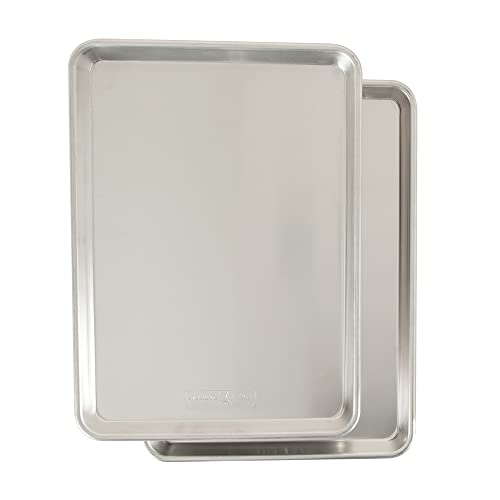
- Roasting rack with a deep pan: Lifts the breast so heat circulates and the bottom doesn’t steam. View on Amazon
If you’re planning a larger meal around this roast, you may also find How Long to Cook Turkey Breast Boneless: Times, Temps and Tips and How Long to Cook Turkey Breast in the Oven: Times, Temps and Timing useful for comparing methods and timelines.
FAQ
Can I cook boneless turkey breast at a higher temperature to save time?
You can, but higher heat tends to dry the outside before the center reaches 165°F. Cooking at 325°F gives more even results. If you go hotter, check the temperature earlier and expect a drier texture.
Should I cover the turkey breast while it roasts?
Covering with foil for the first part of cooking helps retain moisture, then removing it lets the skin brown. Tent it again during the rest period to keep it warm.
How do I know if the turkey is safe if the juices run pink?
Pink-tinged juices are not a reliable sign of doneness. Trust the thermometer: once the thickest part reads 165°F, the roast is safe to serve. For specific food safety questions, consult your local extension service or a food safety professional.
Conclusion
For most boneless turkey breasts, plan on about 1 to 1¾ hours at 325°F, depending on weight. Use a thermometer rather than the clock, and aim for 165°F in the thickest part. A short rest before carving will keep the slices moist and easy to serve.
Related reading
- How Long to Cook Bone-In Turkey Breast in Oven: Times, Temps and Timing
- How to Long to Cook a Turkey Breast: Times, Temps and Timing (Step-by-Step)
- How Long to Slow Cook Turkey Breast: Times by Weight and Safe Temps
Ready to choose one?
About Emily Parker
Emily Parker is part of our editorial team and reviews and edits our holiday cooking & baking guides, checking product details against manufacturer specifications and owner feedback.