 By Ethan Brooks
Updated November 2026
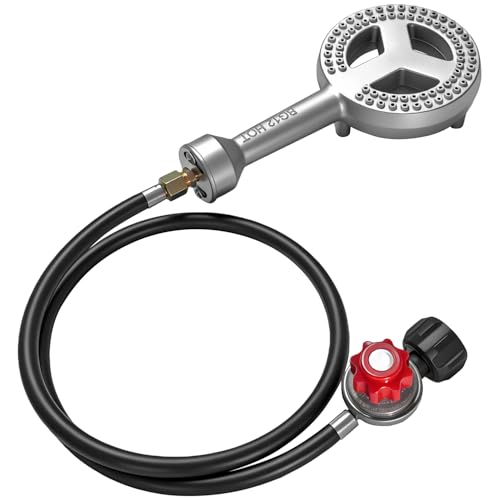
Lighting a turkey fryer is simple once you know the order of operations, but the steps matter. This guide walks you through setting up the burner, checking for leaks, and lighting the flame safely outdoors, so you can bring the oil up to temperature and start frying with confidence. Read the manufacturer’s manual for your specific model before you begin, because burner designs and ignition methods vary.
Before You Light: Choose the Right Spot
Most of the risk in turkey frying happens before the flame ever comes on. Set up on a flat, level, non-combustible surface, such as concrete or packed dirt, at least 10 feet from your house, garage, deck, and any overhanging branches. Keep the fryer out of wind gusts, and never use it in a garage, carport, or on a wooden deck. Have a Class ABC or Class D fire extinguisher within reach before you start.
Shopping for one? See our guide: Char-Broil Oil-Less Infrared Turkey Fryer: 5 Best Picks Compared (2026).
Step-by-Step: How to Light a Turkey Fryer
Once the site is ready, follow these steps in order. Skipping the leak check or lighting with the lid closed are two of the most common causes of fires.
- Assemble the stand, burner, and pot according to the manual, and confirm the pot sits firmly on the burner ring.
- Check every hose and connection for leaks. Brush a soapy water solution onto the fittings and regulator. Bubbles mean a leak, so tighten or replace the part before continuing.
- Open the lid and make sure the burner is fully closed off, then open the propane tank valve slowly.
- Turn the burner control knob to its lowest setting, then bring a match or the manufacturer’s igniter to the burner port. Some models have a push-button igniter, while others need a long lighter.
- Once the flame lights, adjust it so the blue flame spreads evenly across the burner ring. A yellow or flickering flame usually means poor airflow or a partial blockage.
- Leave the lid open while the burner runs, and never walk away from a lit fryer.
Checking the Flame and Oil Temperature
A steady blue flame is what you want. Manufacturers typically specify that you should heat the oil to around 350 °F before adding the turkey, and then watch the thermometer closely. Oil that is too cold makes the bird greasy and slow to cook, while oil that is too hot can ignite or boil over when the turkey goes in. Keep a clip-on thermometer attached to the pot and check it constantly.
Shutting Down Safely
When you finish, turn the burner knob to off first, then close the propane valve on the tank. Let the oil cool completely before moving or draining the pot. Hot oil stays dangerous for hours, so do not try to pour it through the same day.
Common Mistakes to Avoid
- Lighting the burner with the lid on, which can trap gas and cause a flash.
- Skipping the soapy-water leak test, even on a fryer that worked last year.
- Overfilling the pot, which can cause oil to spill onto the flame.
- Leaving the fryer unattended or letting children and pets approach the area.
- Using a wet or frozen turkey, which can cause violent oil splatter.
Recommended Gear
A reliable fire extinguisher is the most important item to keep close by. A long-handled propane igniter also keeps your hands away from the burner while you light it. A clip-on oil thermometer lets you monitor temperature without leaning over the pot.
- Class ABC fire extinguisher for fast response to grease or propane fires. View on Amazon
- Long-handled propane igniter for lighting the burner from a safe distance. View on Amazon
- Clip-on deep fry thermometer to track oil temperature throughout cooking. View on Amazon
Tips for a Smooth First Fry
Do a full water test before the holiday. Fill the pot with water to the level you will use for oil, run the burner, and confirm the flame and thermometer work as expected. Use the displacement method to measure how much oil you need. For more on preparation, see Turkey Fryer Set Up: A Step-by-Step Guide for Safe Holiday Frying and Turkey Deep Fryer Instructions: A Step-by-Step Guide for Safe Frying.
FAQ
Can I light a turkey fryer indoors?
No. Turkey fryers should only be used outdoors on a level surface away from buildings. Carbon monoxide and fire risks make indoor use dangerous.
What if the burner won’t light?
Turn off the gas, wait a few minutes for any gas to dissipate, and check the flame port for blockages. Consult the manufacturer’s manual or a qualified technician if the problem continues.
How do I know if the propane connection is leaking?
Brush soapy water on the connections while the gas is on. Bubbling means a leak. Shut off the tank and tighten or replace the part before using the fryer.
Conclusion
Lighting a turkey fryer safely comes down to a careful setup, a leak check, and a slow, controlled ignition. Follow the manufacturer’s instructions and keep an extinguisher nearby. With those habits in place, you can focus on a great holiday bird.
Related reading
- Turkey Fryer at Academy: How to Choose, Set Up and Fry Safely
- Turkey Deep Fryer Kit: How to Choose, Set Up and Fry Safely
- Turkey Deep Fryer Hook: How to Choose, Use and Lift a Bird Safely
- Stand for Turkey Fryer: How to Choose, Set Up and Use One Safely
- Stainless Steel Turkey Fryer Kit: How to Choose, Set Up and Fry Safely
Ready to choose one?
About Ethan Brooks
Ethan Brooks is part of our editorial team and reviews and edits our holiday cooking & baking guides, checking product details against manufacturer specifications and owner feedback.