 By Emily Parker
Updated November 2026
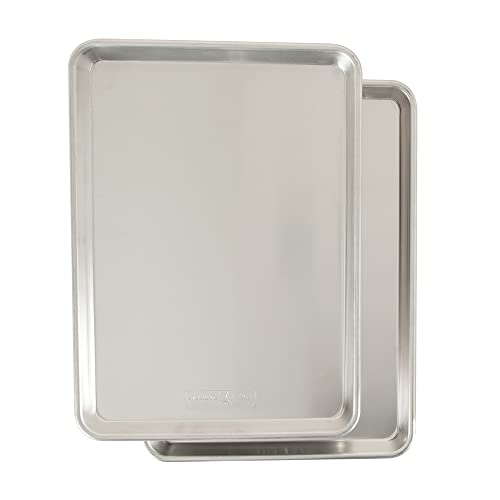
A good roasting pan for beef tenderloin keeps the meat raised off the bottom, holds enough juices for a simple pan sauce and leaves enough room for even heat to reach every side. In this guide you will learn how to pick the right size and material, set up the pan, roast the tenderloin to a safe and tender finish, and clean the pan without damaging it. The process is simple once you know which details matter, and most of them come down to fit and heat control.
What a Roasting Pan for Beef Tenderloin Needs to Do
A whole beef tenderloin is long, thin at the tail and thick at the head. It cooks quickly compared with a bone-in roast, and it has very little fat to protect it. That means the pan has a few jobs: it should support the meat evenly, lift it so hot air circulates underneath, and collect drippings without letting them scorch. A standard pan designed for turkey will often work, but you need to think about the length of the meat and how much space surrounds it.
Shopping for one? See our guide: 6 Best All Clad Roasting Pans with Rack for Turkey and Roasts (2026).
Choosing the Right Size and Shape
Most whole tenderloins (often labeled as center-cut or full) weigh between 3 and 5 pounds and measure roughly 14 to 18 inches long after trimming. The pan should be at least 2 inches longer than the meat on each end, so the heat can circulate and you can lift the roast without it sliding. A rectangular pan roughly 16 by 12 inches is a common fit for a single tenderloin. If you are cooking two tenderloins side by side, look for a pan closer to 18 by 13 inches.
Depth and Sidewalls
Sidewalls between 2 and 3 inches tall are usually enough. Deeper walls trap steam and can make the surface of the meat less browned. Shallow walls reduce the room for a rack and can splash drippings over the oven floor when you lift the pan. If you plan to make a pan sauce, a pan with a flat bottom that can sit on two burners at once is more useful than a deep one.
Material Options
Stainless steel is the most common choice for this job. It handles high oven temperatures, does not react with acidic marinades, and browns the surface well. Heavy-gauge carbon steel and cast iron also work and hold heat more evenly, though they require more care. Lightweight disposable aluminum pans are convenient but can warp at high heat and do not brown the meat as well.
For a deeper look at materials and how they compare, see Stainless Steel Roasting Pan: How to Choose, Use and Clean One (7 Tips) and Carbon Steel Roasting Pan: How to Choose, Season and Use One (7 Steps).
Gear Checklist Before You Start
- A roasting pan at least 2 inches longer than the tenderloin on each end
- A flat roasting rack that fits inside the pan
- Kitchen twine, about 8 to 10 pieces cut to 12 inches each
- An instant-read digital thermometer
- Paper towels and a small bowl of olive oil or neutral oil
- Kosher salt and coarsely ground black pepper
- A carving board with a juice groove
Step-by-Step: Preparing and Roasting the Tenderloin
Step 1: Bring the Meat to Room Temperature
Take the tenderloin out of the refrigerator 45 to 60 minutes before roasting. Cold meat in the center cooks unevenly, and the outside can overcook while the center catches up. Pat it dry with paper towels, because surface moisture prevents browning.
Step 2: Tie the Roast
Tie the tenderloin at 1 to 1½ inch intervals so the tail end does not fold back and cook faster than the thick head. Slide the twine under the meat, bring the ends up, and tie a simple knot. Trim any thin silver skin that would curl during roasting.
Step 3: Season and Oil
Rub the meat with a thin coat of oil, then season generously with kosher salt and black pepper, about 1 teaspoon of salt per pound. Season at least 40 minutes ahead, or up to overnight in the refrigerator, for better flavor throughout.
Step 4: Set Up the Pan
Place the rack in the pan and set the tenderloin on it. The rack keeps the underside from steaming and lets hot air reach all sides. Preheat the oven to 425°F, and set the rack in the middle position.
Step 5: Roast to Temperature
Insert the thermometer into the thickest part of the meat, not touching bone or the pan. Roast until it reaches the temperature you want, as shown in the table below. For a 4-pound tenderloin at 425°F, expect roughly 35 to 45 minutes, but always check with the thermometer rather than the clock.
| Doneness | Pull From Oven at | Final Temperature After Rest | Center Color |
|---|---|---|---|
| Rare | 120°F | 125°F | Deep red |
| Medium-rare | 130°F | 135°F | Warm red |
| Medium | 140°F | 145°F | Pink center |
Step 6: Rest the Meat
Move the tenderloin to a carving board and tent loosely with foil for 15 to 20 minutes. The internal temperature will rise a few degrees, and the juices will settle back into the meat instead of running onto the board.
Step 7: Make a Pan Sauce From the Drippings
Set the roasting pan over two burners on medium heat. Add a splash of red wine or beef stock and scrape the browned bits from the bottom with a wooden spoon. Simmer for 2 to 3 minutes, strain if you like, and serve alongside the slices.
Common Mistakes to Avoid
- Skipping the rack. Without it, the bottom of the meat sits in juices and the crust turns gray.
- Cooking by time alone. Weight and shape vary, so the thermometer is the only reliable guide.
- Carving too soon. Cutting right out of the oven releases juices and dries the slices.
- Using a pan that is too small. Crowding limits airflow and causes uneven browning.
- Leaving the tail unevenly tied. The thin end overcooks while the thick end is still rare.
Tips for Better Results
- Sear the tenderloin in a hot skillet for 2 minutes per side before roasting if you want a deeper crust.
- Use a pan with a heavy base so it does not warp when you deglaze it on the stovetop.
- Let the pan cool for 10 minutes before adding liquid to avoid a hard splatter.
- Line the bottom of the pan with a layer of coarse salt to catch drips and make cleanup easier.
Cleaning and Care
Soak the pan in warm, soapy water as soon as it cools enough to handle. Use a nylon scrubber for stainless steel and a soft brush for the rack. For stuck-on fat, a paste of baking soda and water works well. Dry thoroughly to prevent spotting. Carbon steel and cast iron should be dried over heat and wiped with a thin coat of oil. If you are unsure about a specific finish, check the manufacturer’s care instructions.
Recommended gear
A roasting rack that fits your pan makes the biggest difference for this roast. A reliable instant-read thermometer is the second essential, because doneness depends on internal temperature.
- Stainless roasting rack: Keeps the tenderloin off the pan floor so air reaches every side. View on Amazon
- Instant-read digital thermometer: Gives a fast, accurate reading in the thickest part of the meat. View on Amazon
- Kitchen twine: Keeps the roast a uniform shape so it cooks evenly. View on Amazon
FAQ
What size roasting pan do I need for a beef tenderloin?
For a single 3- to 5-pound tenderloin, a pan about 16 by 12 inches with 2- to 3-inch sides works well. It should extend at least 2 inches beyond the meat on each end.
Do I need a rack in the roasting pan?
A rack is strongly recommended. It lifts the meat so heat circulates underneath and prevents the bottom from steaming in its own juices.
What internal temperature should beef tenderloin reach?
For medium-rare, pull the roast at about 130°F and let it rest to around 135°F. The USDA recommends 145°F for whole cuts of beef, so consult a food safety resource or professional if you have concerns about serving undercooked meat to vulnerable guests.
Can I use a disposable aluminum pan?
You can, but these pans can bend under heat and do not brown the surface as well. A heavier pan gives more even results and a better base for pan sauce.
Should I sear the tenderloin before roasting?
Searing is optional but helps build a deeper crust. A quick sear in a hot skillet for about 2 minutes per side is enough.
How long should beef tenderloin rest?
Rest it for 15 to 20 minutes under loose foil. This lets the juices redistribute and the internal temperature settle a few degrees.
Can I cook a tenderloin in a roasting pan on the stovetop?
Some heavy stainless or carbon steel pans can go from stovetop to oven, but check the manufacturer’s guidance first. Deglazing on the stovetop is a common and safe use.
How do I clean a roasting pan after roasting beef?
Soak it in warm, soapy water, scrub with a non-abrasive pad, and use a baking soda paste for stuck-on bits. Dry completely, and season or oil carbon steel and cast iron after cleaning.
Conclusion
A well-sized roasting pan with a rack, a reliable thermometer and a few basic steps is all you need for a tender, evenly cooked beef tenderloin. Focus on pan fit, bring the meat to room temperature, and roast by internal temperature rather than the clock. A quick pan sauce from the drippings finishes the meal and makes the most of what the pan collects.
Related reading
Ready to choose one?
About Emily Parker
Emily Parker is part of our editorial team and reviews and edits our holiday cooking & baking guides, checking product details against manufacturer specifications and owner feedback.