 By Emily Parker
Updated November 2026
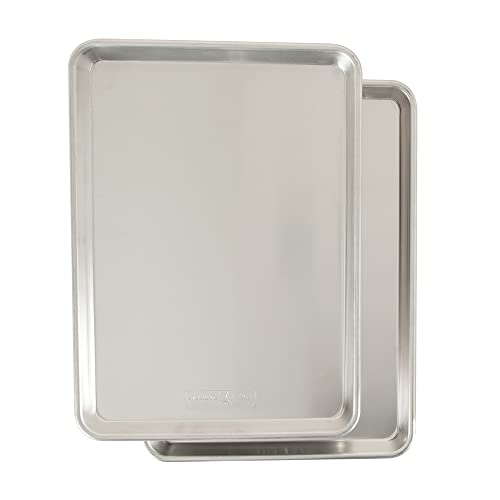
An all-clad roasting pan small enough for everyday cooking is a useful piece of holiday equipment, even if your big turkey pan gets most of the attention. This guide explains how to pick the right size, how to use it for smaller roasts and vegetables, and how to clean it without damaging the finish. Most of the advice applies whether you own an all-clad small roasting pan or are shopping for one.
Choose the Right Size for Your Cooking
A small pan is best for jobs that would crowd a large one: a 3- to 4-pound chicken, a pork tenderloin, a tray of root vegetables, or a few pieces of stuffing. Before you buy, measure the interior of your oven and make sure the pan fits with at least an inch of clearance on each side for air to circulate. Check the rated depth too. A shallower pan browns the surface of meat well, while a deeper one holds more juices and gravy base.
Shopping for one? See our guide: 6 Best All Clad Roasting Pans with Rack for Turkey and Roasts (2026).
Prepare and Roast in a Small All-Clad Pan
Stainless steel responds well to a little preparation. Follow these steps for a reliable result:
- Pat the food dry so it browns rather than steams.
- Preheat the pan over medium heat on the stovetop if you plan to sear, or preheat the oven to your target temperature.
- Add oil with a high smoke point, about 1 tablespoon for a small pan, and let it shimmer before adding food.
- Place the food in a single layer with space between pieces.
- Roast until the internal temperature reaches the safe minimum for your protein, measured with an instant-read thermometer in the thickest part.
- Rest meat on a cutting board for 10 to 15 minutes before carving.
Manufacturers generally specify that their stainless steel pans are oven safe to high temperatures, but confirm the exact limit printed on your model’s packaging or manual before roasting above 450°F.
Clean and Care for the Pan
Stainless steel cleans most easily when it cools slightly after cooking. Deglaze the pan with warm water or stock while it is still warm, scraping up the browned bits, which are the base for gravy. For stuck-on residue, soak the pan in warm, soapy water for 20 to 30 minutes, then scrub with a non-abrasive sponge. Owners often report that baking soda paste removes discoloration without scratching the surface. Avoid steel wool, which can leave fine scratches that trap food.
Common Mistakes to Avoid
- Crowding the pan, which causes steaming instead of browning.
- Adding cold oil to a cold pan, which increases the chance of sticking.
- Putting a hot pan under cold water, which can warp the base.
- Using a cutting knife or metal utensil on the cooking surface.
- Skipping the resting step, which lets juices run out during carving.
Recommended Gear
- All-Clad stainless steel roasting pan with rack: The rack lifts food out of its drippings, helping the underside cook evenly. View on Amazon
- Instant-read digital thermometer: Checking the internal temperature is the most reliable way to avoid overcooking. View on Amazon
- Non-abrasive nylon scrub pad: It cleans stainless steel without leaving scratches. View on Amazon
For more background on how these pans are used across the holiday menu, see All-Clad Stainless Steel Roasting Pan: How to Choose, Use and Clean One (2026) and What Is a Shallow Roasting Pan? Uses, Size and How to Choose One.
FAQ
Is a small all-clad roasting pan big enough for a turkey?
No. A small pan is designed for chickens, roasts and side dishes. For a full turkey, choose a larger pan that leaves clearance around the bird.
Can I use an all-clad small roasting pan on the stovetop?
Yes, many stainless steel roasting pans are rated for stovetop use, which makes them useful for making pan sauces. Confirm the rating in your product manual before using it over high heat.
How do I remove burnt-on food from the pan?
Simmer water with a little baking soda in the pan for 5 to 10 minutes, then scrub gently. Repeat if needed, and consult the manufacturer’s care guide for stubborn stains.
Conclusion
A small roasting pan handles the dishes that a large pan would overcrowd, and stainless steel gives you good browning and easy cleanup. Choose a size that fits your oven, prepare the pan with dry food and a little oil, and clean it while it is still warm. Follow the manufacturer’s temperature and care guidance for the best long-term results.
Related reading
- All-Clad Turkey Roasting Pan: How to Choose, Use and Clean One (2026)
- All-Clad Stainless Roasting Pan: How to Choose, Use and Clean One (7 Steps)
- All Clad Roti Roasting Pan: How to Choose, Use and Care for It (7 Steps)
- All Clad Roasting Pan Large: How to Choose, Use and Clean One (7 Steps)
Ready to choose one?
About Emily Parker
Emily Parker is part of our editorial team and reviews and edits our holiday cooking & baking guides, checking product details against manufacturer specifications and owner feedback.