 By Emily Parker
Updated November 2026
To cook a ham in a roasting pan, you set the ham on a rack, add a little liquid to the pan, cover it with foil, and warm it low and slow until it reaches the right internal temperature. The pan holds the ham steady, catches the drippings for gravy, and gives you a clean, even heat. This guide covers how to prepare the ham, set up the pan, time the cook, and finish with a glaze.
Start with the right ham and pan
Most holiday hams are sold either fully cooked or uncooked (often labeled “fresh”). A fully cooked ham only needs to be reheated, while a fresh ham must be cooked through, so read the label before you plan your timing. Choose a roasting pan with sides at least 2 to 3 inches tall and long enough to hold the ham without the ends hanging off. If you are unsure how to size a pan for your ham, our guide to Roasting Pan for Ham: How to Choose, Use and Clean One (7 Steps) walks through the details.
Shopping for one? See our guide: 6 Best All Clad Roasting Pans with Rack for Turkey and Roasts (2026).
How to cook ham in roasting pan: step-by-step
Take the ham out of the refrigerator about 30 minutes before cooking so the surface is not ice-cold when it goes in the oven. Preheat the oven to 325°F, which is a common setting for ham and gives gentle, even heat.
- Pat the ham dry and score the fat in a diamond pattern, cutting about ¼ inch deep, if it is not already scored.
- Place a flat rack in the roasting pan, or set the ham cut side down on the pan bottom if you have no rack.
- Set the ham fat side up on the rack. Pour about ½ cup of water, broth or apple juice into the bottom of the pan. This keeps the pan from drying out and makes a base for gravy.
- Cover the pan tightly with heavy-duty foil. Cooking covered keeps the ham moist during the first part of the roast.
- Roast until the thickest part reads the target temperature (see the table below). Plan about 15 to 18 minutes per pound for a fully cooked bone-in ham, and about 20 to 25 minutes per pound for a fresh bone-in ham, as a rough guide.
- About 30 minutes before the end, remove the foil, brush on your glaze, and return the ham to the oven uncovered so the glaze sets and caramelizes.
- Rest the ham for 15 to 20 minutes before carving so the juices settle.
Check doneness and set your timing
Use an instant-read or probe thermometer in the thickest part of the meat, without touching the bone. Ham timing varies with the cut, the bone and how well your oven holds heat, so the thermometer matters more than the clock.
| Ham type | Target internal temperature |
|---|---|
| Fully cooked (reheating) | 140°F |
| Fresh (uncooked) | 145°F, then rest |
For food safety, check the packaging for the manufacturer’s specific instructions, and consult the USDA guidance on ham if you are unsure about a particular product.
Make the pan drippings into a simple gravy
After the ham rests, pour the drippings from the roasting pan into a saucepan and skim off the fat. Bring the liquid to a simmer, whisk in a small amount of flour or cornstarch mixed with cold water, and cook until it thickens. A spoonful of mustard or a splash of the glaze’s sweetener gives the gravy extra depth without much effort.
Tools you will need
- A roasting pan with a flat rack
- Heavy-duty aluminum foil
- An instant-read or probe thermometer
- A sharp carving knife and a cutting board with a groove
- A basting brush for the glaze
Common mistakes to avoid
- Skipping the liquid in the pan, which can leave the bottom scorched and the ham dry.
- Glazing too early, which can burn the sugar before the ham is warm through.
- Relying on time alone instead of checking the internal temperature.
- Carving immediately, which lets the juices run out onto the board.
- Using a pan that is too small, so the ham crowds the sides and heats unevenly.
Recommended gear
A flat roasting rack lifts the ham off the pan floor so the heat moves around it evenly. Search for roasting rack for ham to find sturdy options. View on Amazon
A probe thermometer with a cable lets you watch the temperature rise without opening the oven door. Search for digital probe meat thermometer. View on Amazon
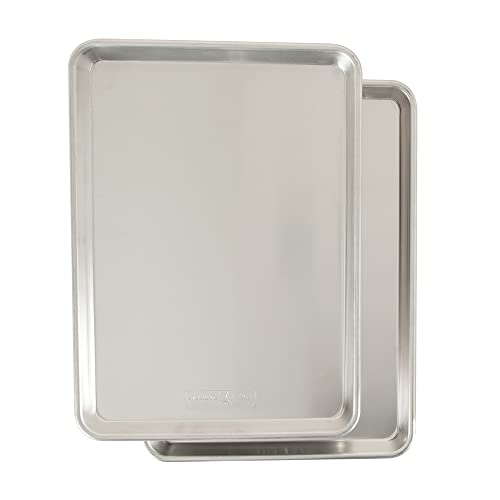
A heavy-duty roasting pan with high sides gives the ham room and catches the drippings. Search for heavy duty roasting pan with rack. View on Amazon
FAQ
Should I cover the ham while it cooks?
Yes, cover it tightly with foil for most of the cooking time to keep the meat moist. Remove the foil for the last 30 minutes so the glaze can set.
Do I need liquid in the roasting pan?
Adding about ½ cup of water, broth or juice helps prevent scorching and creates drippings for gravy. It does not need to cover the bottom of the pan.
How long should I rest the ham before carving?
Let it rest for 15 to 20 minutes, loosely covered with foil. This lets the juices redistribute so the slices stay moist.
Conclusion
Cooking ham in a roasting pan comes down to four habits: use a rack, add a little liquid, cover for most of the cook, and go by the thermometer. Glaze near the end and let the ham rest before carving. With those steps, your holiday ham will come out juicy and evenly warmed.
Related reading
- Ribs in Roasting Pan: How to Cook Them Tender Without a Grill
- 20 Pound Turkey Roasting Pan: How to Choose One That Fits and Cooks Evenly
Ready to choose one?
About Emily Parker
Emily Parker is part of our editorial team and reviews and edits our holiday cooking & baking guides, checking product details against manufacturer specifications and owner feedback.