 By Emily Parker
Updated November 2026
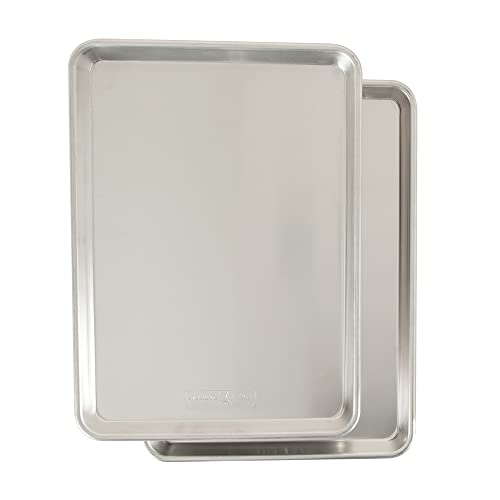
A blank creative roasting pan is a plain, undecorated roasting vessel that you can customize for holiday cooking, whether that means adding your own labels, fitting it to an unusual cut, or using it as a canvas for seasonal serving. This guide walks you through choosing a suitable blank pan, preparing it for use, and getting reliable results from it. It also covers the mistakes that most often lead to sticking, uneven browning, or warped bottoms.
How to Choose a Blank Roasting Pan for Creative Use
Start with the job you need it to do. A pan meant for a whole turkey needs more depth and footprint than one meant for a tray of root vegetables or a set of stuffed peppers. Measure your oven’s interior first, leaving at least an inch of clearance on each side so heat can circulate.
Shopping for one? See our guide: 6 Best All Clad Roasting Pans with Rack for Turkey and Roasts (2026).
Look for these features when comparing blank pans:
- Material: Heavy-gauge stainless steel and anodized aluminum heat evenly. Thin, lightweight sheet metal tends to warp under high heat.
- Handles: Riveted or welded handles that extend past the pan edge make it easier to lift a loaded pan with oven mitts.
- Depth: Pans with 2 to 3 inch sides suit most roasts. Shallower pans brown surfaces better but hold less liquid.
- Rack compatibility: If you plan to elevate food, confirm the pan takes a standard roasting rack or has a built-in rack.
Preparing and Seasoning Your Pan
Wash a new pan in warm, soapy water to remove any manufacturing oil. Dry it completely. For uncoated steel or cast-based pans, rub a thin layer of neutral oil over the interior and bake it at 350°F for one hour, then let it cool in the oven. This builds a light protective layer that reduces sticking.
Before each holiday use, check that the pan sits flat on your counter. A rocking pan will heat unevenly and can tip when you move it.
Setting Up Your Creative Layout
If you plan to customize the pan with labels, dividers, or a branded serving setup, mark your zones before you cook. Use oven-safe tape or a removable marker on the pan’s exterior rather than anything that will melt at 400°F.
Cooking Steps for Even Results
Once the pan is ready, follow this sequence for a typical roast:
- Preheat the oven to the temperature your recipe specifies, usually between 325°F and 450°F.
- Place the pan on the center rack so heat reaches the bottom and sides evenly.
- Add about half an inch of stock or water to the bottom to protect drippings and keep the pan from scorching.
- Set the food on a rack if you have one, leaving space between pieces.
- Check internal temperature with an instant-read thermometer in the thickest part, avoiding bone.
- Rest the food for 15 to 30 minutes before carving so juices settle.
| Food | Typical Oven Temp | Target Internal Temp |
|---|---|---|
| Turkey breast | 325°F | 165°F |
| Pork loin | 400°F | 145°F |
| Vegetables | 425°F | Tender when pierced |
Cleaning and Storing Your Pan
Let the pan cool before washing to avoid warping. Soak it in warm water for ten minutes to loosen baked-on drippings, then scrub with a non-abrasive pad. Dry it fully before storing so moisture does not cause spotting or rust on exposed steel.
Common Mistakes
- Placing a cold pan into a hot oven, which can cause warping.
- Crowding food so steam builds up and browning stops.
- Using metal utensils on coated surfaces, which scratches the finish.
- Skipping the rest period, which lets juices run out during carving.
- Cutting pieces too small for the pan, leaving drippings to burn.
Recommended Gear
A reliable instant-read thermometer takes the guesswork out of doneness, which matters most when you are cooking an unfamiliar cut in a new pan. View on Amazon
A roasting rack keeps meat out of its drippings so the bottom crisps instead of steaming. View on Amazon
Silicone-tipped tongs grip heavy roasts without tearing the surface. View on Amazon
FAQ
Can I use a blank roasting pan on the stovetop?
Only if the manufacturer lists stovetop use for that specific pan. Many roasting pans are designed for the oven alone, and sudden stovetop heat can warp thinner models.
How do I keep my blank pan from staining?
Soak it promptly after use and avoid leaving acidic liquids such as wine or tomato sauce sitting in it. Gentle cleaning and full drying prevent most discoloration.
Do I need a pan with a lid?
A lid helps with braising and keeping food moist, but it is not required for roasting. Foil can cover the pan when you need extra moisture retention.
Conclusion
A blank creative roasting pan gives you flexibility for holiday cooking, provided you choose a sturdy, well-sized pan and prepare it properly. Follow the setup, cooking, and cleaning steps above to get even browning and easy cleanup. Check your recipe’s temperatures and rest times each time, and adjust for your oven.
Related reading
- What Is a Shallow Roasting Pan? Uses, Size and How to Choose One
- What Does Roasting Pan Look Like? A Quick Visual Guide for Holiday Cooks
- Turkey in a Roasting Pan: A Step-by-Step Guide for Holiday Cooks
- Turkey Roasting Pan Large: How to Choose the Right Size for Thanksgiving
- Substitute for Roasting Pan: 6 Options That Work for Turkey and Roasts
- Stainless Steel Roasting Pan: How to Choose, Use and Clean One (7 Tips)
Ready to choose one?
About Emily Parker
Emily Parker is part of our editorial team and reviews and edits our holiday cooking & baking guides, checking product details against manufacturer specifications and owner feedback.