 By Emily Parker
Updated November 2026
Baking christmas cookies for diabetics comes down to three things: choosing lower-impact sweeteners, controlling portion size and keeping the recipe’s fat and flour balanced so the cookies still taste like the classics. In this guide you will learn how to adjust a standard cookie recipe, which swaps work best for holiday baking and how to plan a cookie tray that fits a diabetic-friendly eating plan.
Start With a Recipe That Already Works
Choose a tested recipe rather than trying to rebuild a cookie from scratch. Shortbread, oatmeal and spiced cookies handle sugar changes more gracefully than delicate meringue or caramel-heavy bars. If you are looking for classic options, the Old Fashioned Christmas Cookies: A Step-by-Step Guide to Classic Holiday Baking covers a traditional base you can adapt.
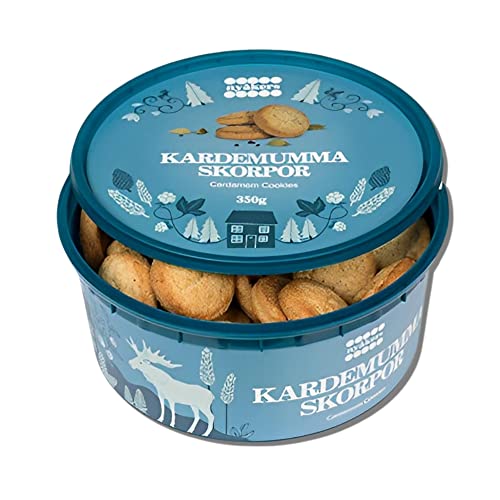
Shopping for one? See our guide: 6 Best Christmas Boxes for Cookies to Gift and Store (2026).
Make Smart Sugar and Flour Swaps
Sugar is the main lever, but it is not the only one. Each change affects texture, spread and browning, so make one change at a time and note the results.
- Reduce granulated sugar by about one-quarter. Most cookies still brown and hold their shape at this level.
- Use a sugar-free granulated sweetener that measures cup-for-cup if you want to keep the same volume. Erythritol-based blends are common in holiday baking.
- Add some whole-grain flour. Replacing one-quarter of the all-purpose flour with whole wheat or oat flour adds fiber and a nutty flavor.
- Include a little almond flour for tenderness in shortbread-style doughs, since it adds fat and body without refined starch.
Keep in mind that some sugar substitutes brown less and can make cookies drier. Adding one extra tablespoon of butter or an egg yolk often restores moisture.
Control Portions and Timing
Portion control matters as much as ingredient choice. Scoop dough with a cookie scoop so every cookie is the same size, and aim for cookies around 1 tablespoon of dough for a small, reasonable serving. Pair cookies with protein or fiber, such as a handful of nuts or a glass of milk, and eat them with a meal rather than on an empty stomach.
Plan the baking calendar too. Bake a small test batch two to three days before the party so you can adjust sweetness, and freeze unbaked dough portions to space out the work.
Decorate Without Overloading Sugar
Traditional royal icing and candy sprinkles add a lot of sugar. Lighter options include a thin glaze made with a sugar-free sweetener, a dusting of cinnamon or cocoa, chopped nuts, or fresh citrus zest. Save heavy decorations for one or two showcase cookies rather than the whole tray.
Checklist for Your Baking Day
- Choose one recipe and decide which sugar substitute you will use.
- Measure the swap and write the amount on the recipe card.
- Bake one test batch and check spread, browning and sweetness.
- Portion dough with a scoop and label containers by sugar content.
- Set out a labeled plate so guests can see which cookies are lighter.
Recommended gear
A consistent portion size is easier to control with a sturdy scoop. Look for a OXO Good Grips Cookie Scoop or a similar spring-release model, which makes repeat sizing simple. View on Amazon
Accurate measuring matters when you adjust sugar. A digital kitchen scale helps you swap by weight rather than volume, which gives more reliable results. View on Amazon
Parchment paper keeps lighter cookies from sticking and reduces the need for extra fat on the pan. View on Amazon
Common Mistakes to Avoid
- Swapping every sweetener at once, which makes it hard to tell what caused a problem.
- Assuming sugar-free cookies will spread and brown like the originals.
- Overbaking to compensate for pale color, which dries out lower-sugar cookies.
- Skipping a test batch before serving a full tray to guests.
- Forgetting that fruit, honey and maple syrup still contain sugar and count toward your totals.
FAQ
Can people with diabetes eat regular Christmas cookies?
Small portions of traditional cookies can fit into many meal plans, but they raise blood sugar quickly. Check with your doctor or a registered dietitian about how much fits your individual plan.
Do sugar substitutes change how cookies bake?
Yes. Many substitutes brown less and can make cookies drier or crispier, so you may need to adjust fat, baking time or oven temperature slightly.
How should I label cookies for guests with diabetes?
Use simple labels that name the main ingredient and whether sugar was reduced or replaced. Let guests decide what fits their own needs.
Conclusion
Christmas cookies for diabetics are most successful when you start with a sturdy recipe, make one or two sugar and flour changes, and control portions. Test before the big day, keep decorations light and label the tray clearly. With a little planning, everyone at the table can enjoy the cookies.
Related reading
- Vegan Cookies for Christmas: A Step-by-Step Guide to Holiday Baking
- Trays of Christmas Cookies: A Step-by-Step Guide to Planning and Arranging
- Thumbprint Cookies for Christmas: A Step-by-Step Guide to Baking Them
- Sugar Cookies Pillsbury Christmas: A Step-by-Step Guide to Holiday Baking
Ready to choose one?
About Emily Parker
Emily Parker is part of our editorial team and reviews and edits our holiday cooking & baking guides, checking product details against manufacturer specifications and owner feedback.