 By Emily Parker
Updated November 2026
Cooking ribs in a roasting pan gives you tender, fall-off-the-bone meat without a smoker or outdoor grill. The method works by trapping steam under foil so the connective tissue breaks down slowly at a low oven temperature. With the right pan, a rack, and a little timing, you can turn out ribs that rival barbecue joints during the holidays.
Choose the Right Pan and Setup
Start with a pan large enough to hold the full rack flat or folded once, with at least an inch of clearance on each side. A heavy roasting pan with a rack keeps the ribs off the bottom, so they braise in their own juices instead of scorching. If your pan is too small, cut the rack into two or three sections rather than crowding it. For more on sizing, see Roasting Pan for Pork Shoulder: How to Choose and Use One (7 Steps), which covers similar fat-rich cuts.
Shopping for one? See our guide: 6 Best All Clad Roasting Pans with Rack for Turkey and Roasts (2026).
Prepare and Season the Ribs
Pull off the thin membrane on the bone side of the rack. Slide a butter knife under one end, grip the membrane with a paper towel, and peel it off in one piece. Rub the meat with a mix of 2 tablespoons brown sugar, 1 tablespoon kosher salt, 1 tablespoon smoked paprika, 1 teaspoon garlic powder, and 1 teaspoon black pepper. Let the rub sit for at least 30 minutes, or refrigerate overnight for deeper flavor.
Roast Low and Covered
Set the oven to 275°F and place the rack meat-side down on a double layer of heavy-duty foil. Add 1/4 cup apple juice or water to the pan, then seal the foil tightly over the top. Bake for 2 1/2 to 3 hours for baby back ribs, or 3 to 3 1/2 hours for spare ribs. The meat is ready when it pulls back from the bones by about half an inch and a bone wiggles easily.
Finish with Sauce
Unwrap the foil, brush the ribs with barbecue sauce, and raise the oven to 425°F. Roast uncovered for 10 to 15 minutes, until the sauce sets and edges caramelize. Watch closely, since sugary sauces can burn quickly.
Timing and Doneness Checks
- Start the ribs about 4 hours before you plan to serve.
- Check for doneness at the 2-hour mark by lifting one end with tongs.
- Rest the ribs, still covered, for 10 minutes before slicing.
- Cut between the bones and serve immediately.
Common Mistakes
- Skipping the membrane removal, which leaves the meat chewy.
- Using too high an oven temperature, which dries out the meat before the connective tissue softens.
- Leaving the foil loose, letting steam escape and slowing the cooking.
- Adding sauce too early, where sugar burns during the long covered cook.
- Cutting the rack to fit a pan without leaving room for air to circulate.
Recommended Gear
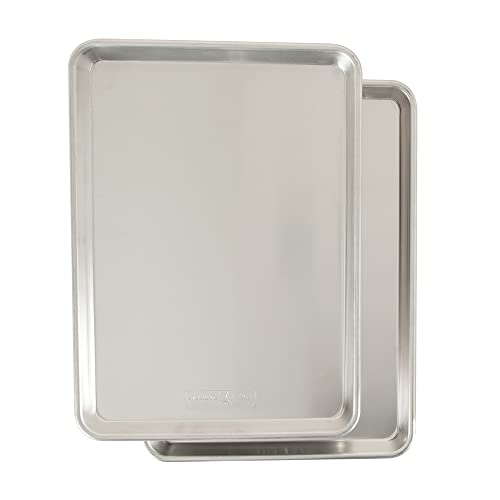
A heavy roasting pan with a flat rack holds the ribs steady and keeps the bottom from scorching. Look for a pan labeled as heavy-duty for even heat. View on Amazon
Heavy-duty aluminum foil creates a tight seal that traps steam for the long braise. View on Amazon
A long-handled pair of tongs lets you lift and turn the rack without tearing the meat. View on Amazon
FAQ
Do I need to use foil when cooking ribs in a roasting pan?
Yes, covering the ribs with foil traps steam and keeps the meat moist during the long, low cook. Uncover them only for the final saucing step.
How long do ribs take in a roasting pan at 275°F?
Baby back ribs usually need 2 1/2 to 3 hours covered, while spare ribs take 3 to 3 1/2 hours. Check for a pull-back of about half an inch from the bone.
Can I cook ribs in a roasting pan without a rack?
You can, but the ribs will sit in their juices and may steam unevenly. A rack lifts the meat and helps it cook more evenly.
Conclusion
Cooking ribs in a roasting pan is a reliable way to get tender meat with minimal hands-on work. Remove the membrane, cook covered at 275°F, and finish with sauce under high heat. Plan your timeline around the oven, and your holiday table will have ribs ready on time.
Related reading
- Roasting Pan for Rib Roast: A Practical Guide (2026)
- Roasting Pan for Prime Rib: How to Choose and Use One (7 Steps)
- Turkey in a Roasting Pan: A Step-by-Step Guide for Holiday Cooks
Ready to choose one?
About Emily Parker
Emily Parker is part of our editorial team and reviews and edits our holiday cooking & baking guides, checking product details against manufacturer specifications and owner feedback.